

When it comes to rehabilitation, recovery isn’t just about healing the body; it’s about restoring...
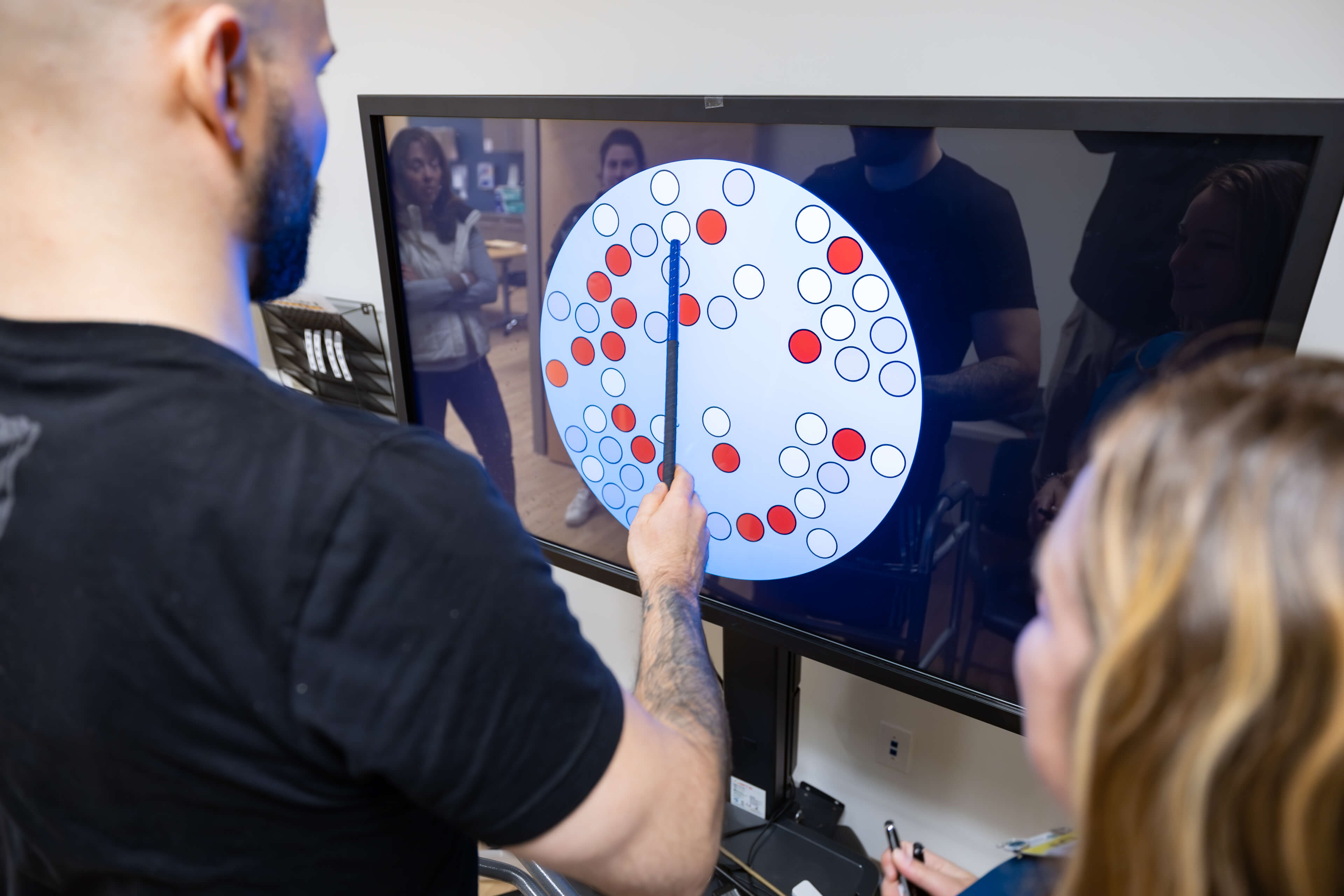
Recovery is far more than healing. It's about reclaiming your independence and getting back to the activities that make life meaningful. After an injury, illness, or surgery, everyday tasks like dressing, bathing, or preparing meals can suddenly feel overwhelming. Occupational Therapy (OT) helps bridge that gap.
At Gaylord Specialty Healthcare, our occupational therapists help patients rebuild essential daily living skills so they can return to living full, confident, and independent lives.
What Is the Role of Occupational Therapy in Recovery?
Occupational Therapy focuses on helping people perform the tasks that matter most in daily life. This may include buttoning a shirt, preparing a meal, improving balance, or managing cognitive tasks like memory and focus.
OT supports patients recovering from many conditions, including:
- Stroke
- Spinal cord injury
- Brain injury
- Orthopedic surgery or injury
- Neurological or complex medical conditions
Gaylord’s OT approach is holistic. Our therapists help restore not only physical function, but also confidence, problem-solving skills, and participation in meaningful routines.
What Daily Living Skills Do Occupational Therapists Help Rebuild?
Self-Care Skills
Therapists help patients safely relearn or adapt everyday activities such as dressing, grooming, bathing, toileting, and meal preparation.
Home Safety and Adaptation
Occupational therapists assess how patients move through their living space and teach strategies to:
- Reduce fall risks
- Use adaptive equipment such as grab bars, reachers, or shower chairs
- Modify the home environment for safety and ease
Mobility and Coordination
Rehabilitation sessions focus on improving balance, fine motor control, grip strength, and upper-body strength to support safer, more independent movement.
Cognitive Skills
Care also addresses thinking and processing skills such as memory, attention, planning, and sequencing, which are essential for managing daily tasks like taking medications, preparing meals, and following routines.
OT Tips to Support Independence at Home
1. Start Small
Choose one daily activity, such as preparing a simple meal or brushing your hair, and practice it consistently.
2. Use Adaptive Equipment
Tools like grab bars, sock aids, reachers, and shower chairs can make tasks safer and easier. Your therapist can recommend the right equipment for your needs.
3. Practice Energy Conservation
Alternate activity with rest, plan tasks ahead of time, and sit instead of standing when possible. This helps prevent fatigue while still building independence.
4. Keep Your Space Organized
A clean and clutter-free home reduces the risk of falls and makes daily routines easier.
5. Stay Consistent
Small, regular efforts lead to meaningful progress. OT is most effective when skills are practiced both in therapy and at home.
How Gaylord’s OT Team Helps Patients Thrive
Gaylord’s Occupational Therapy team provides treatment plans that match each patient’s goals, challenges, and home environment. Our therapy spaces also include home-like settings where patients can practice real-life tasks before returning home.
Patients benefit from:
- Personalized therapy sessions
- A collaborative rehab team that includes PT, speech therapy, nursing, and psychology
- Inpatient and outpatient programs for continued progress
- Adaptive equipment training and home-safety preparation
By combining personalized care with real-world practice, Gaylord’s OT program helps patients regain independence and move forward with confidence.
Regain Your Confidence and Independence
Occupational Therapy plays a key role in helping you return to daily activities with greater freedom, safety, and confidence. No matter your injury or diagnosis, you don’t have to face recovery alone.
Ready to take the next step toward independence?
Contact us today!

This content is for educational purposes only and is meant to provide general information. It is not a substitute for professional medical advice, diagnosis, or treatment. Always consult your healthcare provider with any questions or concerns about your health. In case of a medical emergency, contact your doctor or call 911 right away.
.jpeg?height=500&name=Image%20(003).jpeg)