
For as long as she can remember, 46-year-old June Napolitano has been drawn to helping people. A...

A herniated or bulging disc can cause lower back pain, but it is not always the true source of ongoing symptoms. If back pain continues despite treatment for a disc problem, the sacroiliac (SI) joint may be another possible cause.
The SI joint, located where the spine connects to the pelvis, can cause pain in the lower back, buttocks, groin, or back of the thigh. Because these symptoms can closely resemble those of a disc problem, SI joint dysfunction may sometimes be overlooked.
For patients whose pain does not improve with treatments such as physical therapy, medication, activity modification, or injections, identifying whether the disc, SI joint, or another structure is causing the pain can help guide the most appropriate treatment.
The MRI Doesn’t Always Tell the Whole Story
Disc changes are extremely common as we age. By 60, most people show signs of disc degeneration on an MRI - even without accompanying back pain.
So a bulging disc doesn’t automatically mean it’s the source of pain.
That doesn’t mean your doctor was wrong. MRIs provide valuable information, but they only show structure, not always the true source of pain. So when disc-focused treatments fail to bring relief, it’s worth asking:
What else could it be?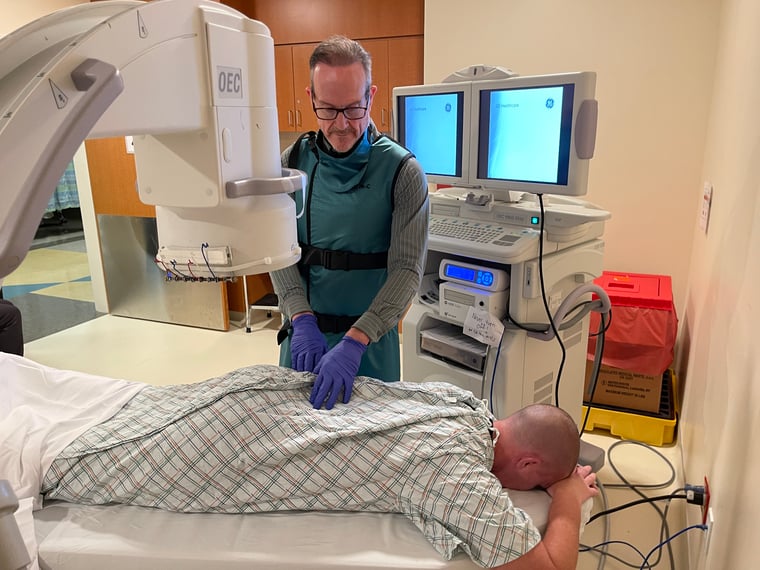
Meet the Sacroiliac Joints
One commonly overlooked cause of low back pain are the sacroiliac (SI) joints, located where the spine meets the pelvis. These joints transfer force between your upper body and legs when you stand, walk, or lift.
After a fall, a twisting injury, pregnancy, or even a minor car accident, the SI joints can become inflamed or unstable. The pain is often deep and aching in the lower back or buttock, sometimes radiating into the back of the thigh or groin.
Sound familiar?
That’s because it closely mimics symptoms from a disc problem.
Unlike disc bulges, SI joint dysfunction usually doesn’t appear clearly on an MRI or X-rays. When both conditions exist (and they often do) the visible disc abnormality frequently gets blamed, even if it isn’t the actual source of pain.
Finding the Real Cause
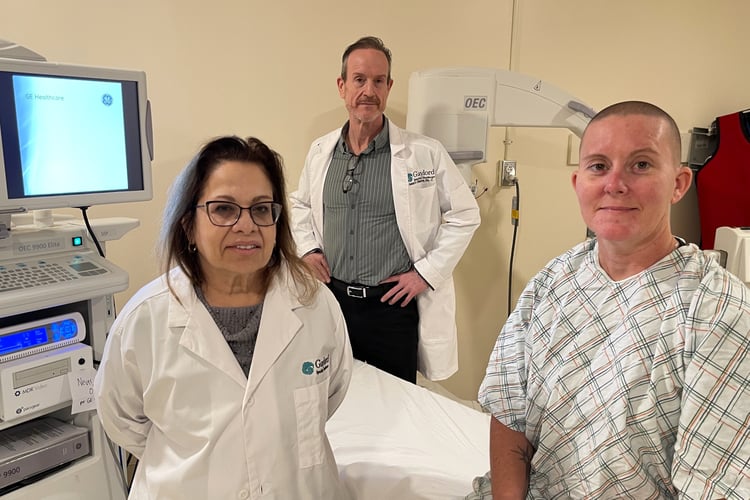
At Gaylord Specialty Healthcare’s Interventional Pain Center, we often see patients frustrated by pain that hasn’t improved.
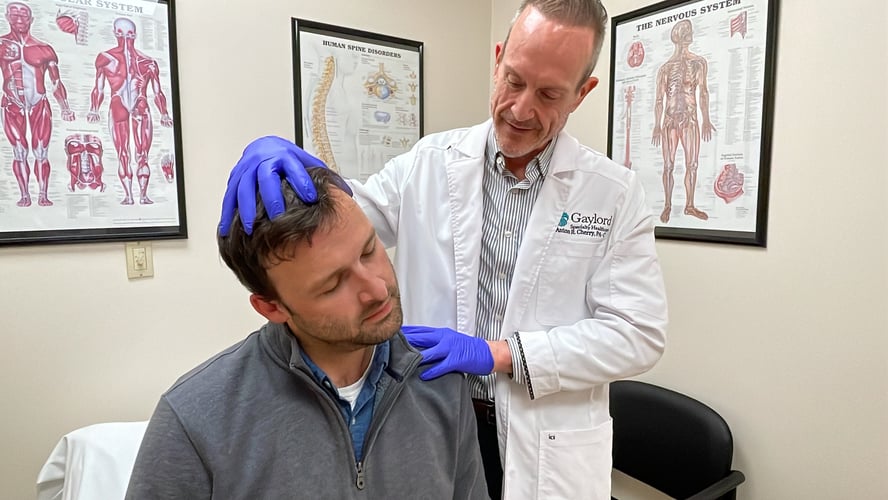
Diagnosis starts with listening to patient’s history and a targeted physical exam. If the SI joint is suspected, the most reliable confirmation is a minimally invasive, image-guided injection. If numbing the joint significantly reduces the pain, the diagnosis is clear. Anti-inflammatory medication delivered during the same procedure also provides long-lasting relief.
For many patients, identifying the SI joint as the true source becomes the turning point in finding relief sometimes after months or even years of treating the wrong diagnosis.
You Don’t Have to Live with Persistent Back Pain
Ongoing back pain doesn’t mean you have to live with it. An MRI is a powerful diagnostic tool, but it isn’t always a final verdict.
If disc treatment hasn’t helped, it may be time to look beyond what shows up on the scan.
For a timely appointment with Gaylord’s Interventional Pain Center, call (203) 284-2825 or visit www.gaylord.org/pain-center.
Frequently Asked Questions About Low Back Pain After Disc Treatment
Can a herniated disc show up on an MRI but not be the cause of my back pain?
Yes. MRI findings can provide important information about the spine, but they do not always identify the exact source of pain. Disc changes are common, especially as people age, and some individuals have bulging or degenerative discs without experiencing symptoms. A healthcare provider will consider your symptoms, physical exam, and other findings when determining what may be causing your pain.
Why does my back still hurt after treatment for a herniated disc?
Persistent back pain after disc treatment may occur when another structure is contributing to symptoms. The sacroiliac (SI) joints, facet joints, nerves, muscles, and other areas of the spine can all contribute to low back pain. Identifying the actual source of pain can help guide more targeted treatment.
What is SI joint dysfunction?
SI joint dysfunction occurs when the sacroiliac joints become irritated, inflamed, or do not move properly. These joints connect the lower spine to the pelvis and help transfer forces between the upper body and legs during activities like walking, standing, and lifting.
What does SI joint pain feel like?
SI joint pain is often felt in the lower back or buttock and may sometimes extend into the back of the thigh or groin. Because these symptoms can overlap with other spinal conditions, SI joint pain may be difficult to distinguish from disc-related pain without a thorough evaluation.
How is SI joint dysfunction diagnosed?
Doctors diagnose SI joint dysfunction by reviewing your symptoms, performing a physical examination, and using targeted diagnostic procedures when appropriate. An image-guided SI joint injection may be used to help confirm whether the joint is contributing to your pain.
Can SI joint pain be treated without surgery?
Yes. Depending on the cause and severity of symptoms, treatment options may include physical therapy, activity modifications, medications, injections, and other minimally invasive procedures designed to reduce pain and improve function.
When should I see a doctor about ongoing low back pain?
You should talk with a healthcare provider if your back pain continues despite treatment, interferes with daily activities, worsens over time, or affects your ability to work, exercise, or complete normal routines.
This content is for educational purposes only and is meant to provide general information. It is not a substitute for professional medical advice, diagnosis, or treatment. Always consult your healthcare provider with any questions or concerns about your health. In case of a medical emergency, contact your doctor or call 911 right away.

Related posts
.png?height=500&name=webinar_surgery_joint_pain%20(1).png)

(Ad) For many living with persistent or acute pain, daily life becomes a cycle of limitations -...