
Persistent pain can affect nearly every part of daily life. Activities that once felt simple –...
A Patient's Guide to Pain Specialists in Connecticut
19:14
Persistent pain can affect nearly every part of your daily routine. The activities you once did without thinking, the sleep you lose, the frustration of not knowing what comes next. If you have been living with chronic pain in Connecticut and conservative measures have not brought relief, seeing a dedicated pain management specialist is a practical next step.
This guide walks you through what pain specialists do, how to evaluate their credentials, what non-surgical treatments are available in Connecticut, and how to prepare for your first appointment. By the end, you will have a clear framework for making a confident, informed decision about your care.
Key Takeaways: A Patient's Guide to Pain Specialists in Connecticut
- A pain management specialist or a physiatrist diagnoses the root cause of your pain and creates a non-surgical treatment plan tailored to your goals.
- Board certification in Physical Medicine and Rehabilitation (PM&R) and experience with interventional techniques are two of the most meaningful credentials to look for.
- Gaylord Specialty Healthcare's Interventional Pain Center and Physiatry Services departments offer physician-led, non-opioid pain treatments in Wallingford, Connecticut.
- A multidisciplinary team approach combining physiatry, physical therapy, and non-surgical treatments often produces longer-lasting relief than a single treatment alone.
- Asking focused questions about diagnosis methods, treatment options, and expected outcomes before your first appointment can help you make a confident decision.
What Is a Pain Management Specialist?
A pain management specialist is a physician trained to evaluate, diagnose, and treat acute and persistent pain conditions. Some of these physicians are physiatrists (Physical Medicine and Rehabilitation doctors) who focus on restoring function and quality of life through non-surgical methods.
Others come from backgrounds such as anesthesiology or neurology, and they may concentrate on interventional procedures such as nerve blocks or epidural injections. The common thread is a deep understanding of how pain signals travel through the body and what can be done to interrupt or reduce them without relying on opioid-based approaches.
In Connecticut, pain specialists work in outpatient settings, rehabilitation hospitals, and academic medical centers. Their primary goal: identify what is generating your pain, explain why it persists, and recommend a treatment approach designed around your daily life and recovery goals.
Why Chronic Pain Patients in Connecticut Need Specialized Care
According to the CDC's National Center for Health Statistics (2024), approximately 24.3% of U.S. adults experienced chronic pain in 2023, and 8.5% reported high-impact chronic pain that frequently limited life or work activities. Those numbers rise with age and in less urbanized communities.
Persistent pain affects more than physical comfort. It can influence mobility, sleep quality, energy levels, mood, and daily activities. For Connecticut residents dealing with back, neck, nerve, or joint pain, a specialist who understands the condition's full impact is essential.
Many primary care providers are equipped to manage short-term pain. When pain continues beyond three months or does not respond to initial treatments, a dedicated specialist can offer advanced diagnostic tools and targeted interventions that a general practitioner may not have available.
How Does a Physiatrist Differ from Other Pain Doctors?
Physiatrists are medical doctors who complete residency training specifically in Physical Medicine and Rehabilitation (PM&R). Their scope includes the entire musculoskeletal and nervous system, not just a single joint or region.
An orthopedist focuses on structural damage and surgical repair. A neurologist concentrates on the nervous system. A physiatrist looks at how all of these systems interact and affect your ability to function each day.
This means a physiatrist is trained to develop a plan that may include physical therapy, ultrasound-guided injections, and more. The goal is maximum recovery using the least invasive pathway.
What Credentials Should You Look For in a Pain Specialist?
Board certification is the first credential to confirm. Physicians certified by the American Board of Physical Medicine and Rehabilitation have met rigorous standards for education, examination, and clinical practice.
Beyond board certification, look for subspecialty training or fellowship experience in pain medicine. Fellowship-trained physicians have completed additional years of focused clinical work in advanced pain procedures.
Accreditation of the facility matters as well. CARF (Commission on Accreditation of Rehabilitation Facilities) accreditation signals that a program meets high standards for care quality, patient outcomes, and safety. Gaylord Specialty Healthcare holds CARF accreditation for its rehabilitation programs, including specialty programs recognized among the top in the nation.
What Questions Should You Ask Before Your First Appointment?
Preparing a short list of questions can help you evaluate whether a specialist is the right fit. Consider asking:
- What is your approach to diagnosing the specific source of my pain?
- Which non-surgical treatment options do you use most frequently?
- How do you measure progress, and what outcomes should I expect in the first few months?
- Do you coordinate care with physical therapists, psychologists, or other specialists?
- What role will I play in my own treatment plan?
These questions help you understand whether the provider takes a whole-person approach to your care or focuses narrowly on one intervention at a time.
What Non-Surgical Treatment Options Are Available in Connecticut?
Non-surgical pain treatments have expanded considerably over the past decade. In Connecticut, pain management specialists may recommend one or a combination of the following:
- Epidural steroid injections to reduce inflammation around compressed spinal nerves
- Facet joint injections and medial branch blocks targeting pain from spinal joint degeneration
- Radiofrequency ablation to interrupt pain signals from specific nerves
- Nerve block injections for localized pain relief
- Sacroiliac joint injections addressing lower-back and hip-region pain
- Trigger point injections for muscle-related pain patterns
- Botox injections for migraine and chronic headache relief
- Platelet-rich plasma (PRP) therapy using your body's own healing factors
At Gaylord Specialty Healthcare, these procedures are performed under fluoroscopic or ultrasound guidance to improve accuracy and reduce discomfort. Treatments are often paired with outpatient physical therapy to help rebuild strength and maintain results over time.
How Interventional Pain Procedures Work
Interventional pain procedures target the specific anatomical structure generating your discomfort. Unlike systemic medications that circulate through your entire body, these treatments deliver medication or therapy directly to the source.
For example, a facet joint injection places anti-inflammatory medication precisely at the joint causing your back pain. A radiofrequency ablation uses heat to interrupt nerve signals from a confirmed pain generator. Each procedure begins with a confirmed diagnosis, often through diagnostic blocks that verify the pain source before definitive treatment.
Most procedures are performed in an outpatient setting and take less than 30 minutes. You can typically return to light activities the same day, though your care team will recommend a recovery timeline based on the specific procedure performed.
Why a Multidisciplinary Approach Produces Better Outcomes
Pain rarely has a single cause. A disc issue may contribute to nerve irritation, which changes your movement patterns, which creates muscle tension in a different area. Addressing only one piece of that chain often leaves the underlying pattern intact.
A multidisciplinary team brings together physiatrists, pain specialists, physical therapists, occupational therapists, psychologists, and other specialists. Each member addresses a different dimension of the pain experience, from the structural source to the emotional toll.
Gaylord Specialty Healthcare coordinates care across disciplines through a team-based model. Physiatrists lead the treatment plan and consult with other providers to ensure each intervention supports your broader recovery goals. This is especially meaningful for patients with conditions like neuropathic pain, complex regional pain syndrome (CRPS), or pain related to spinal cord or brain injuries.
How to Evaluate Whether a Specialist's Approach Is Right for You
Not every specialist takes the same approach. Some rely heavily on injections alone. Others prioritize rehabilitation and functional restoration. The approach that works for your situation depends on the type and duration of your pain, your activity goals, and your personal preferences.
During your evaluation, pay attention to whether the specialist:
- Takes time to understand your daily limitations and goals
- Explains the diagnosis in terms you understand
- Discusses multiple treatment options, not just one path
- Involves you in decisions about your care plan
- Measures progress using functional outcomes (what you can do), not just pain scales
A provider who listens, explains the reasoning behind recommendations, and treats you as a partner in the process is more likely to deliver lasting results.
What to Expect During Your First Pain Management Visit
Your initial appointment typically lasts longer than a standard doctor visit. The specialist will review your medical history, previous imaging, and any treatments you have already tried.
A physical examination follows, often including range-of-motion testing, neurological screening, and palpation of affected areas. Some providers may order additional imaging (X-ray, MRI, or diagnostic ultrasound) to confirm or narrow the diagnosis.
By the end of the visit, you should have a clear explanation of what is causing your pain, an initial treatment plan, and a timeline for reassessment. If the specialist cannot explain your diagnosis in plain language or outline a concrete next step, that is worth noting.
Understanding the Role of Physical Therapy in Pain Recovery
Interventional procedures can reduce pain, but physical therapy is what helps you stay better long-term. Targeted exercises improve the strength and flexibility of muscles supporting your spine, joints, and nerves.
A physical therapist trained in pain rehabilitation can teach you movement strategies that reduce strain on injured structures. Over time, this decreases the likelihood of recurring flare-ups and supports your ability to return to work, recreation, and everyday tasks.
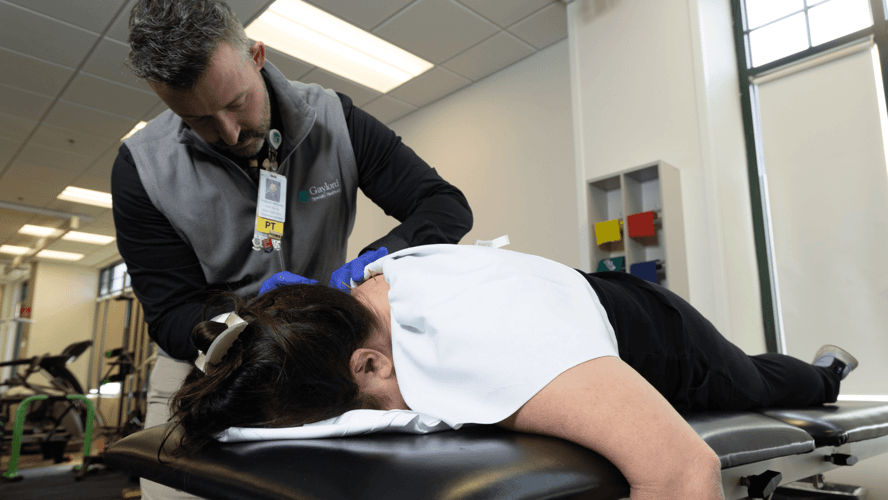
Gaylord's doctorate-trained physical therapists integrate techniques such as aquatic therapy, dry needling, manual therapy, and medical exercise therapy into post-procedure recovery plans. With a 98% likelihood-to-recommend rating from patients, these programs are built for real-world results.
Common Conditions Treated by Pain Specialists in Connecticut
Pain specialists in Connecticut evaluate and treat a wide range of conditions. Understanding which conditions fall under their expertise can help you determine whether a referral is appropriate for your situation.
Conditions commonly managed by pain specialists include:
- Back and neck pain (disc herniation, degenerative disc disease, spinal stenosis)
- Neuropathic pain and nerve injuries
- Complex regional pain syndrome (CRPS)
- Myofascial pain syndrome
- Joint and musculoskeletal pain (knee, hip, shoulder)
- Post-surgical discomfort that persists beyond expected healing timelines
- Migraine and chronic headache disorders
- Pain related to neurological conditions such as spinal cord injury, brain injury, or stroke
If your condition involves multiple systems or has not responded to general treatment, a specialist with training in PM&R can often identify the contributing factors that a single-specialty provider might overlook.
When Should You Seek a Second Opinion?
If you have been managing pain for months without meaningful improvement, or if a provider has recommended a major procedure without exploring conservative options first, a second opinion can offer clarity.
A second evaluation is not a sign of distrust. It is a responsible step in making an informed decision about your health. Different specialists may identify different contributing factors or suggest approaches you have not yet tried.
Look for a provider whose training and facility accreditation suggest expertise in your specific condition. For patients in Connecticut with persistent back, neck, nerve, or musculoskeletal pain, the Gaylord Specialty Healthcare Interventional Pain Center offers evaluations focused on identifying the root cause before recommending any procedure.
How Insurance and Access Work for Pain Specialist Visits in Connecticut
Most pain management specialists accept major commercial insurance plans as well as Medicare and Medicaid. Coverage details vary by plan, so contacting both your insurer and the provider's office beforehand is worth the effort.
Some plans require a referral from your primary care physician. Others allow direct access to specialists without prior authorization. Gaylord Specialty Healthcare's can help verify your benefits, determine authorization requirements, and explain next steps before your appointment.
Location also matters for ongoing care. Traveling long distances for weekly physical therapy sessions is a barrier that often leads patients to skip appointments. Gaylord offers outpatient services in Wallingford, Cheshire, Cromwell, Fairfield, Madison, and North Haven, reducing travel time for patients across the state.
Red Flags That Suggest a Provider May Not Be the Right Fit
While most pain specialists deliver competent care, a few patterns warrant caution:
- The provider prescribes treatment without performing a thorough evaluation or diagnostic workup.
- Appointments are rushed, and you leave without a clear understanding of your diagnosis.
- The provider discourages questions or second opinions.
- Treatment plans do not include measurable goals or timelines for reassessment.
Trust your instincts. You deserve a care team that respects your time, answers your questions, and treats you as an active participant in your own recovery.
How to Prepare for Ongoing Pain Management
Managing persistent pain is often a long-term process rather than a one-time fix. Understanding this upfront can help you set realistic expectations and stay engaged with your treatment plan over time.
Keep a brief daily log of your pain levels, activities, sleep quality, and any triggers you notice. This information gives your care team concrete data to guide adjustments in your treatment. It also helps you recognize patterns that might not be obvious day to day.
Small, consistent actions can make a meaningful difference. Attending scheduled therapy sessions, practicing recommended exercises at home, and communicating openly with your provider about what is and is not working all contribute to better long-term outcomes. The most important thing is progress, not perfection.
In Conclusion: How to Choose the Right Pain Specialist in Connecticut
Finding the right pain management specialist starts with understanding what to look for: board certification in PM&R or pain medicine, experience with non-surgical interventional techniques, a multidisciplinary care team, and a facility with recognized accreditations.
You do not have to navigate this process alone. Whether you are managing persistent back pain, neuropathic discomfort, or post-injury challenges, a specialist who listens to your goals and collaborates with you on a treatment plan can make a meaningful difference in your daily life.
Gaylord Specialty Healthcare's Interventional Pain Center in Wallingford, Connecticut, is accepting new patients. Call (203) 284-2825 to schedule an evaluation and take the first step toward lasting relief.
This content is for informational purposes only and does not replace professional medical advice, diagnosis, or treatment. Always consult a qualified healthcare provider with questions about your medical condition.
FAQs About Pain Specialists in Connecticut
What is the difference between a physiatrist and an orthopedist?
A physiatrist focuses on restoring function through non-surgical treatments, while an orthopedist specializes in structural repair and surgical intervention. Gaylord Specialty Healthcare's physiatrists design individualized plans that combine interventional procedures with rehabilitation to keep you active and recovering.
Do I need a referral to see a pain management specialist in Connecticut?
It depends on your insurance plan. Many Connecticut providers, including Gaylord Specialty Healthcare, can schedule appointments without a referral for most insurance types. Call ahead to confirm your plan's requirements.
How long does it take to see results from non-surgical pain treatment?
Results vary by condition and treatment type. Some patients experience relief within days of an injection, while others notice gradual improvement over several weeks as physical therapy strengthens the affected area. Gaylord Specialty Healthcare tracks functional outcomes to measure your progress at each visit.
What conditions do pain specialists in Connecticut treat?
Pain specialists treat back and neck pain, neuropathic pain, joint and musculoskeletal pain, complex regional pain syndrome, post-surgical discomfort, and headache disorders. Gaylord Specialty Healthcare also treats pain related to spinal cord injuries, brain injuries, and stroke recovery.
Can a pain management specialist help me avoid surgical procedures?
Yes, in many cases. Targeted injections, physical therapy, and other treatments resolve pain for a large number of patients. At Gaylord Specialty Healthcare, interventional pain specialists focus on pinpointing the source of pain and addressing it with the least invasive approach possible, keeping patients active and out of the operating room.
What should I bring to my first pain management appointment?
Bring any prior imaging (MRI, X-ray, CT scan results), a list of current medications, notes about your symptoms and when they started, and your insurance information. Having a brief record of what treatments you have already tried helps your specialist avoid repeating ineffective approaches.
Related posts