
Why Leg Strength Matters as We Age
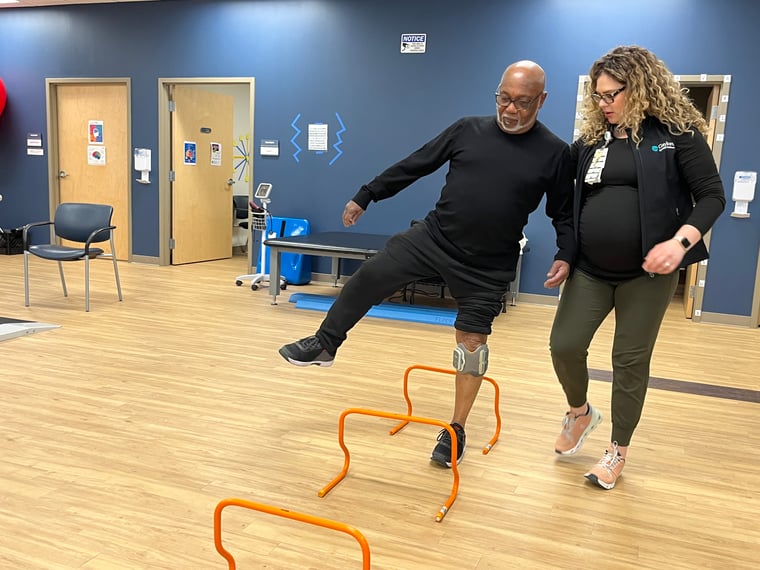
As we age, maintaining leg strength becomes one of the most important predictors of long-term health and independence. Strong legs support balance, mobility, and confidence in daily movement, while weakness in the lower body is closely linked to falls, loss of independence, and decreased quality of life.
One of the biggest threats to leg strength with aging is sarcopenia.
What Is Sarcopenia?
Sarcopenia is the age-related loss of muscle mass and strength that begins as early as our 30s and accelerates with each decade. Without intervention, this gradual decline can significantly impact mobility, balance, and overall health.
Loss of muscle in the legs is particularly problematic because the lower body plays such a central role in daily function such as walking, climbing stairs, standing from a chair, and preventing falls. Smaller muscles means less strength, and our ability to produce meaningful force goes down.
As we lose muscle mass, we also typically lose bone mass. Sarcopenia is a sibling of osteoporosis. Both conditions occur with inactivity. Both can have detrimental effects on our physical and metabolic health.
Loss of muscle mass also tends to coincide with storing of fat. We know about the fat that gets stored under our skin. However, fat can be stored within and between muscle fibers, further accelerating the dysfunction of the muscle.
Why Leg Strength Is So Closely Tied to Longevity
Research consistently shows that lower-body strength, especially in the quadriceps, is associated with:
- Lower fall risk1
- Better mobility and balance2
- Greater independence with daily activities3
- Reduced risk of disability3
- Longer lifespan1
Strong legs allow people to remain active, confident, and engaged in life well into older age. Strong muscles also use a lot of energy, especially in the legs. Consistent strength training can lower measures of blood sugar and fats, helping combat conditions like diabetes and high cholesterol.4,5
Building and maintaining leg strength is one of the most effective strategies for counteracting sarcopenia and preserving long-term function.
How Strength Training Fights Sarcopenia
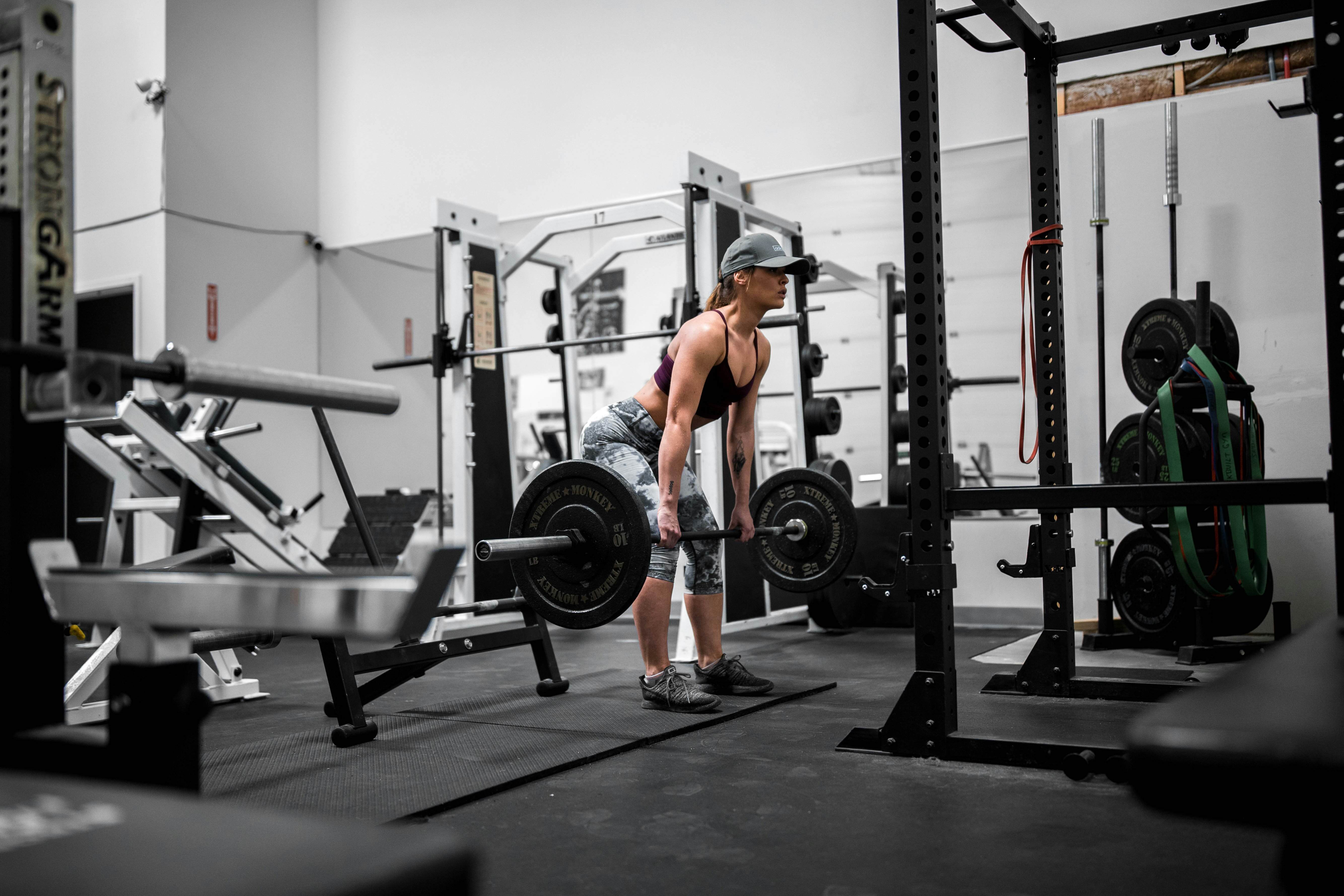
The most effective way to slow or even reverse sarcopenia is progressive resistance training. Muscles respond to challenge at any age, meaning it is never too late to build strength.
Lower-body exercises that load the muscles of the hips, thighs, and glutes help:
- Preserve muscle mass
- Improve bone density
- Enhance balance and coordination
- Support metabolic and cardiovascular health
Even modest amounts of strength training can produce meaningful improvements in function and quality of life.
How Often Should You Train as You Age?
For most adults:
- Strength train at least 2–3 days per week
- Focus on technique and consistency
- Allow adequate recovery between sessions
For those new to exercise or returning after time away, gradual progression is key. Strength gains can be achieved with lighter or heavier loads as long as effort is appropriate. Focus on consistent training for 6-8 weeks. Creating the habit to exercise is often the hardest part. As your body gets used to exercise, start focusing on pushing yourself.
The Bottom Line
Strong legs are not just about fitness, they are about maintaining independence, preventing injury, and supporting a long, active life. As sarcopenia naturally reduces muscle mass with age, intentional strength training becomes essential.
By prioritizing leg strength, you are investing in your ability to move confidently, stay independent, and maintain quality of life for years to come.
Looking for where to start? Read 5 Best Exercises for Leg Strength and Longevity.
References
- Zanker J, Scott D, Alajlouni D, Kirk B, Bird S, DeBruin D, Vogrin S, Bliuc D, Tran T, Cawthon P, Duque G, Center JR. Mortality, falls and slow walking speed are predicted by different muscle strength and physical performance measures in women and men. Arch Gerontol Geriatr. 2023 Nov;114:105084. doi: 10.1016/j.archger.2023.105084. Epub 2023 May 30. PMID: 37290229.
- Şengül Ayçiçek G, Caran Karabacak E, Gökçe B, Oktay Oğuz E, Koca M, Ünsal P. Muscle-specific strength and its functional correlates in patients with osteosarcopenia. Eur Geriatr Med. 2025 Oct;16(5):1753-1758. doi: 10.1007/s41999-025-01256-2. Epub 2025 Jun 11. PMID: 40500429; PMCID: PMC12528226.
- Caserotti P, Aagaard P, Larsen JB, Puggaard L. Explosive heavy-resistance training in old and very old adults: changes in rapid muscle force, strength and power. Scand J Med Sci Sports. 2008 Dec;18(6):773-82. doi: 10.1111/j.1600-0838.2007.00732.x. Epub 2008 Jan 30. PMID: 18248533.
- Madan K, Sawhney JPS. Exercise and lipids. Indian Heart J. 2024 Mar;76 Suppl 1(Suppl 1):S73-S74. doi: 10.1016/j.ihj.2023.11.270. Epub 2024 Apr 8. PMID: 38599728; PMCID: PMC11019314.
- Amaravadi SK, Maiya GA, K V, Shastry BA. Effectiveness of structured exercise program on insulin resistance and quality of life in type 2 diabetes mellitus-A randomized controlled trial. PLoS One. 2024 May 21;19(5):e0302831. doi: 10.1371/journal.pone.0302831. PMID: 38771888; PMCID: PMC11108169.
Looking to strengthen your legs? Call (203) 284-2888 to schedule a physical therapy evaluation.

This content is for educational purposes only and is meant to provide general information. It is not a substitute for professional medical advice, diagnosis, or treatment. Always consult your healthcare provider with any questions or concerns about your health. In case of a medical emergency, contact your doctor or call 911 right away.
Related posts

Marty Tangredi is a well-known and respected USA Hockey official and instructor with three decades...