
Traurig House, Residential Brain Injury Program
Louis D. Traurig House
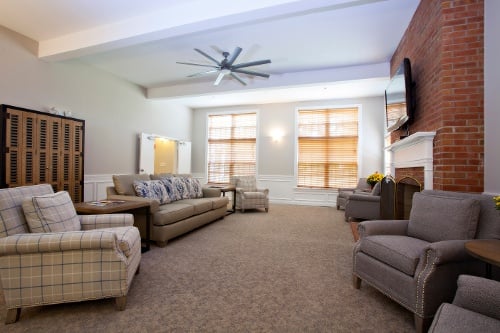
The Louis D. Traurig House is Connecticut’s premier residential transitional living program for individuals recovering from brain injury and stroke. Located on Gaylord’s 400-acre campus in Wallingford, Traurig House provides a supportive, home-like environment where residents build independence, strengthen daily living skills, and prepare for community reintegration. Designed for up to eight residents, the program combines individualized support with access to Gaylord’s outpatient rehabilitation services and brain injury expertise.
Individualized attention and a sense of community are the hallmarks of the Traurig House experience
Our comprehensive rehabilitation services facilitate a seamless transition from hospital to home. Our combination of residential program and outpatient therapy services empowers residents to reclaim their communication, cognitive, and life skills, fostering their successful reintegration into their cherished homes and communities.
Residential Program
For approximately 35-40 days, Traurig House becomes a resident's home. A genuine living laboratory and therapy space where they master activities of daily living (ADLs) such as cooking, making one's bed, laundry, social skills, problem-solving, social graces, medication management and compensatory strategies. Each weekend they go home to put those skills to the test. Family and staff work together weekly to identify areas for improvement to help the resident reach maximum function, independence and a successful discharge.
Outpatient Therapy
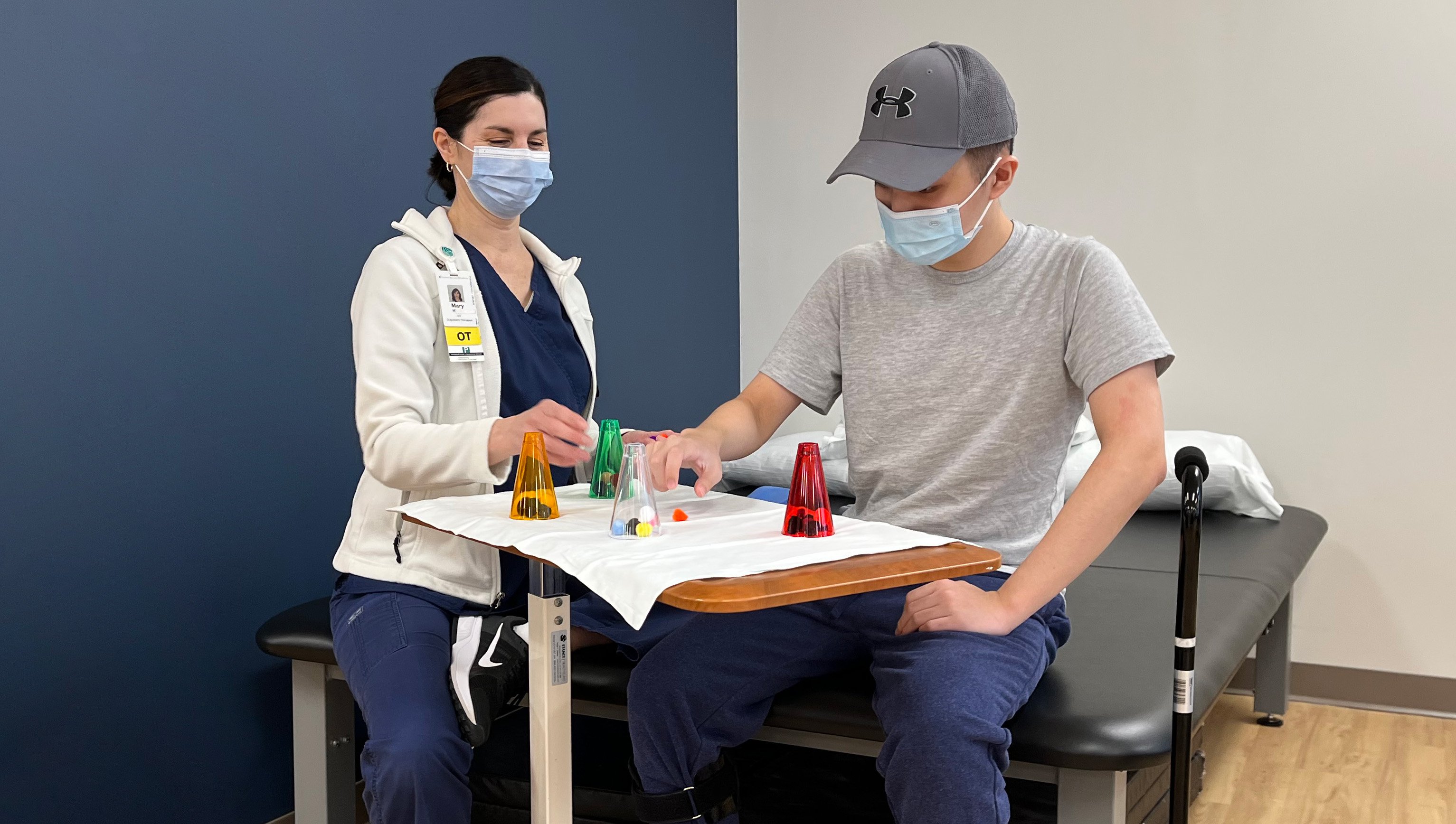
Residents participate in five days a week of intensive therapy which includes physical, occupational, speech and aquatic therapy. They also participate in our unique Aphasia or Cognitive Day Treatment services. Conducted in a group session, the Day Treatment program improves functional communication skills, independence, and sense of well-being. Also available to residents is neuropsychological testing and psychological services as well as access to rehab physicians.

Community Reintegration
The goal of independence is central to the Traurig House experience. To achieve that goal, residents work with their therapists in a group to organize community out trips. From choosing the activity/destination, to researching cost, hours, transportation, departure times, accessibility to actually going on the trip, our residents learn how to successfully navigate the world around them.
Where you choose to receive care can make all the difference. Gaylord offers an extraordinary range of technologies and patient services, all based on the latest research and best practices.
What is Traurig House at Gaylord?
Traurig House is Gaylord Specialty Healthcare’s residential transitional living program for individuals recovering from brain injury or stroke. Located on Gaylord’s 400-acre campus in Wallingford, Connecticut, the program provides a supportive, home-like environment where residents develop daily living skills, participate in outpatient therapy, and prepare to return to their homes and communities.
Who can benefit from Traurig House?
Traurig House is designed for individuals recovering from brain injury or stroke who continue to have language, physical, cognitive, or other functional impairments and would benefit from additional support before returning home. The program provides a bridge between rehabilitation and independent community living.
How long do residents stay at Traurig House?
The average stay at Traurig House is approximately five weeks. Gaylord’s program information describes residential stays of approximately 35–40 days, although the length of stay can vary based on each resident’s needs and progress.
What therapies are available at Traurig House?
Residents participate in five days of intensive outpatient therapy each week. Services include physical therapy, occupational therapy, speech therapy, and aquatic therapy, as well as Aphasia Day Treatment and Cognitive Day Treatment. Residents also have access to neuropsychological testing, psychological services, and rehabilitation physicians.
What daily living skills do residents practice at Traurig House?
Residents practice everyday skills that can help them become more independent, including cooking, making a bed, laundry, medication management, problem-solving, social skills, social graces, and compensatory strategies. These skills are practiced in the residential setting and applied during weekend visits home.
Can residents go home while staying at Traurig House?
Yes. Residents are encouraged to go home each weekend to reconnect with family and practice the skills they are developing. Families and staff work together to identify areas that may need additional support and problem-solve ways to improve the resident’s transition home.
How does Traurig House help with community reintegration?
Community reintegration is a central part of the Traurig House program. Residents work with therapists to plan and participate in community outings, including choosing a destination, researching costs and hours, arranging transportation, considering accessibility, and determining departure times. These experiences help residents practice navigating everyday activities in the community.
How many residents can Traurig House accommodate?
Traurig House is an eight-bed, co-ed residential program. Its home-like setting gives residents an opportunity to practice independent living skills while receiving individualized support and participating in rehabilitation services.
Where is Traurig House located?
Traurig House is located at 80 Gaylord Farm Road in Wallingford, Connecticut, on Gaylord Specialty Healthcare’s 400-acre campus. Residents have access to Gaylord’s outpatient rehabilitation services and other resources available on the Wallingford campus.
How do I begin the admissions process for Traurig House?
To begin the admissions process, a referral form must be completed. Gaylord’s clinical supervisor reviews the referral to determine eligibility and verify insurance, then contacts the patient or responsible party with additional questions, approval, or next steps. Referrals for Traurig House can come from acute-care hospitals and rehabilitation settings.