
.jpg?width=6000&height=4000&name=greg-pappas-rUc9hVE-L-E-unsplash%20(1).jpg)
GLP-1 medicines can be an effective tool for improving blood sugar, reducing appetite, and supporting weight loss. But losing weight is only part of the goal. Preserving muscle, maintaining physical function, and building sustainable habits are important parts of long-term health. Your sleep is one piece of that bigger picture.
Good sleep supports your ability to exercise, recover, regulate appetite, manage stress, and function well during the day. When combined with adequate nutrition and regular resistance training, healthy sleep habits can help you make the most of your weight-loss journey.
Why does sleep matter?
Healthy sleep can help you:
- Feel more energetic and ready to move during the day
- Recover from exercise and physical activity
- Think more clearly and concentrate better
- Regulate mood and manage stress
- Support healthy appetite and metabolic regulation
- Improve your overall quality of life
Sleep is not a replacement for good nutrition or exercise but it is an important part of the foundation that supports them.
Here are the most evidence-based recommendations for getting restorative sleep:
- Aim for 7–9 hours, but consistency is most important
- Build a sleep-friendly environment
- Watch what you do before bed
Most healthy adults should aim for approximately 7–9 hours of sleep each night.
Getting enough sleep is more important than trying to achieve a “perfect” number. Your needs may vary, but consistently getting much less than you need can leave you feeling tired, less motivated to exercise, and less able to recover.
Try to:
- Go to bed and wake up at approximately the same time each day.
- Give yourself enough time in bed to get 7–9 hours of sleep.
- Develop a relaxing bedtime routine.
- Get regular physical activity during the day.
- Avoid relying on large amounts of caffeine to compensate for poor sleep.
Your bedroom should make sleeping easier. 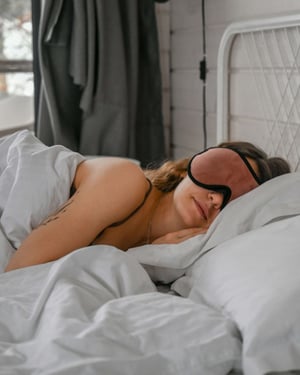
Aim for a room that is:
- Dark: Consider blackout shades or an eye mask.
- Quiet: Earplugs or white noise can help.
- Cool: A bedroom temperature around 60–67°F is often recommended.
- Comfortable: Choose bedding and pillows that allow you to sleep comfortably.
If possible, avoid having a bright alarm clock directly in your line of sight. Repeatedly checking the time during the night can increase stress and make it harder to fall back asleep.
Try to:
- Limit caffeine after lunch. Caffeine can remain stimulating for 6 hours or longer.
- Limit alcohol, which may make you sleepy initially but can disrupt sleep later in the night.
- Avoid nicotine close to bedtime.
- Eat the last meal earlier in the evening (well before the standard 1.5–2 hour pre-bed window) and keep evening meals smaller/lower-fat may reduce reflux and GI discomfort that fragments sleep.
- Reduce bright screens and television close to bedtime.
- Give yourself time to wind down before going to sleep. Try to avoid intensely exercising right before bed.
A relaxing routine might include reading, gentle stretching, breathing exercises, or another quiet activity.
Nausea, appetite changes, and your evening routine
GLP-1 medicines can change how much and how often you want to eat. Some people also experience nausea, reflux, bloating, or other gastrointestinal symptoms. These symptoms can sometimes make nighttime routines more difficult.
If you notice that eating close to bedtime makes you uncomfortable, talk with your registered dietitian about when and how much you are eating in the evening. Your dietitian can help you find an eating pattern that supports adequate nutrition while also working with your medication and symptoms.
Do not intentionally skip meals or significantly restrict your food intake simply to lose weight faster. Adequate nutrition is important when your goal is to lose fat while preserving as much muscle and physical function as possible.
What about exercise and sleep?
Regular physical activity can help you sleep better, while better sleep can make it easier to participate in physical activity. This creates a positive cycle:
Move during the day → recover at night → feel better the next day → move again
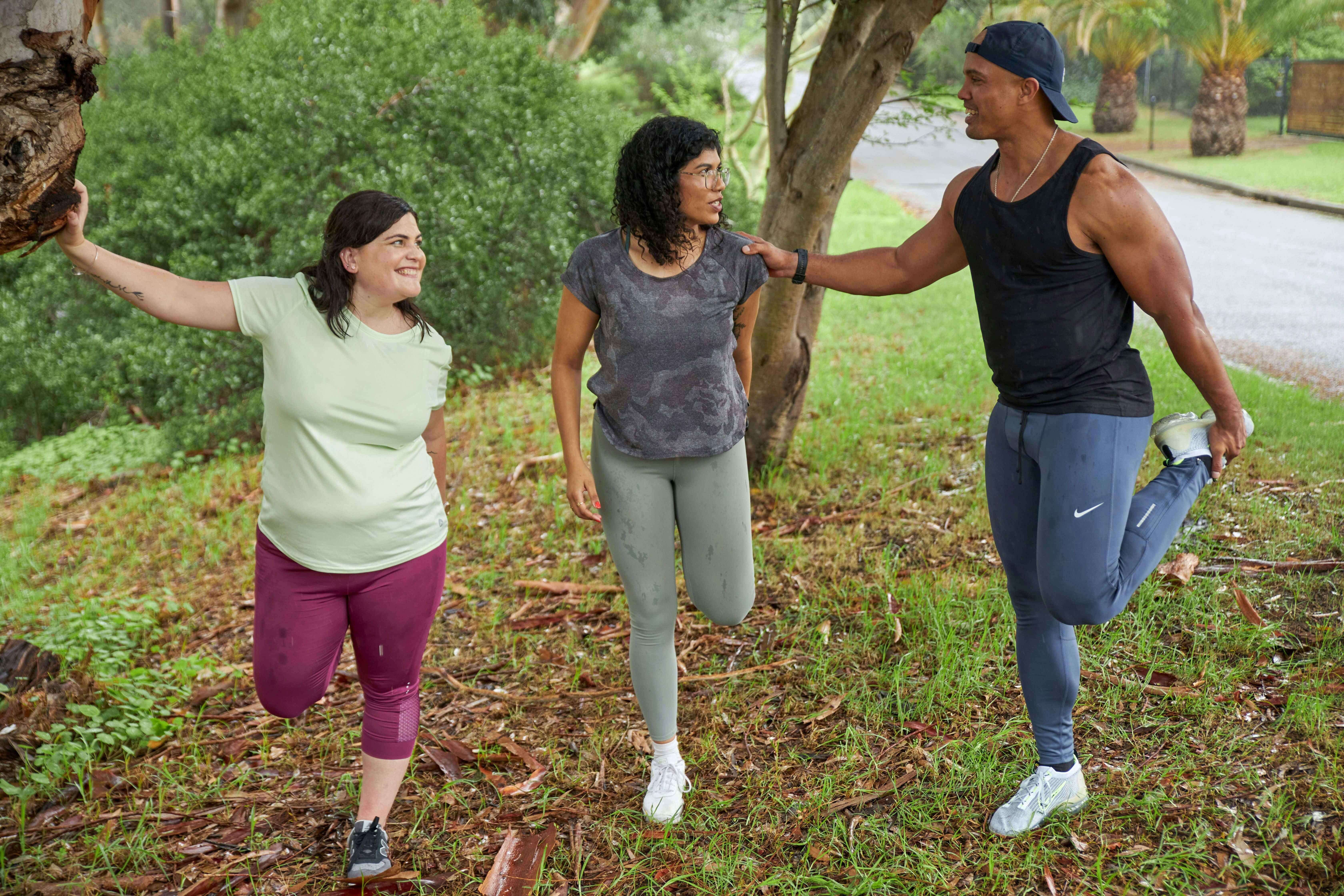
Resistance training is particularly important during weight loss because it provides your muscles with a reason to stay strong. Your physical therapist can help you determine the appropriate starting point and progression based on your current strength, fitness, and physical abilities.
You do not need to perform a hard workout every day. Walking, resistance exercises, recreational activities, and other forms of movement can all contribute to your overall health.
What if you nap?
If you sleep well at night, a short nap may be okay.
- Keep naps to approximately 20 minutes or less.
- Nap earlier in the day when possible.
- Avoid long naps, which can interfere with nighttime sleep.
- If you are struggling with insomnia, avoiding naps may be helpful.
Start small. You do not have to completely change your nighttime routine.
Pick one or two habits to work on this week:
- Keep a consistent wake-up time.
- Stop caffeine after lunch.
- Get some physical activity during the day.
- Turn off bright screens before bed.
- Make your bedroom darker, quieter, or cooler.
- Establish a relaxing bedtime routine.
- Avoid checking the clock during the night.
- Talk with your dietitian if GI symptoms or your eating schedule are interfering with sleep.
Small, consistent changes can add up.
Remember: the goal is more than losing weight
GLP-1 medicines can be a valuable tool for improving health and supporting weight loss. But your long-term goal should not be simply to make the number on the scale as small as possible.
We want to help you lose weight while maintaining muscle, strength, physical function, and quality of life.
Want to speak with an expert? Contact Gaylord Specialty Healthcare outpatient services at 203-284-2888 and book your consultation with a physical therapist or dietitian today.
References:
- Robbins R, Quan S. Sleep health. NEJM Evid. 2024.
- Baranwal N, Yu PK, Siegel NS. Sleep physiology, pathophysiology, and sleep hygiene. Prog Cardiovasc Dis. 2023.
- Porwal A, Yadav YC, Pathak K, Yadav R. An update on assessment, therapeutic management, and patents on insomnia. Biomed Res Int. 2021.
- Mysliwiec V, Martin JL, Ulmer CS, et al. The management of chronic insomnia disorder and obstructive sleep apnea: synopsis of the 2019 U.S. Department of Veterans Affairs and U.S. Department of Defense clinical practice guidelines. Ann Intern Med. 2020.
- Sharafkhaneh A, Thomas A, Ulmer C, et al. The Management of Chronic Insomnia Disorder and Obstructive Sleep Apnea (Insomnia/OSA). Department of Veterans Affairs, Department of Defense; 2025.
- Edinger JD, Arnedt JT, Bertisch SM, et al. Behavioral and psychological treatments for chronic insomnia disorder in adults: an American Academy of Sleep Medicine clinical practice guideline. J Clin Sleep Med. 2021.
- Edinger JD, Arnedt JT, Bertisch SM, et al. Behavioral and psychological treatments for chronic insomnia disorder in adults: an American Academy of Sleep Medicine clinical practice guideline. J Clin Sleep Med. 2021.
- Morin CM, Bei B, Bjorvatn B, et al. World Sleep Society international sleep medicine guidelines position statement endorsement of "Behavioral and psychological treatments for chronic insomnia disorder in adults: an American Academy of Sleep Medicine clinical practice guidelines." Sleep Med. 2023.
This content is for educational purposes only and is meant to provide general information. It is not a substitute for professional medical advice, diagnosis, or treatment. Always consult your healthcare provider with any questions or concerns about your health. In case of a medical emergency, contact your doctor or call 911 right away.