
Outpatient
Radiology
From routine scans to complex needs, our imaging experts deliver results you can trust.
Call 203-284-2845 to request an appointment.
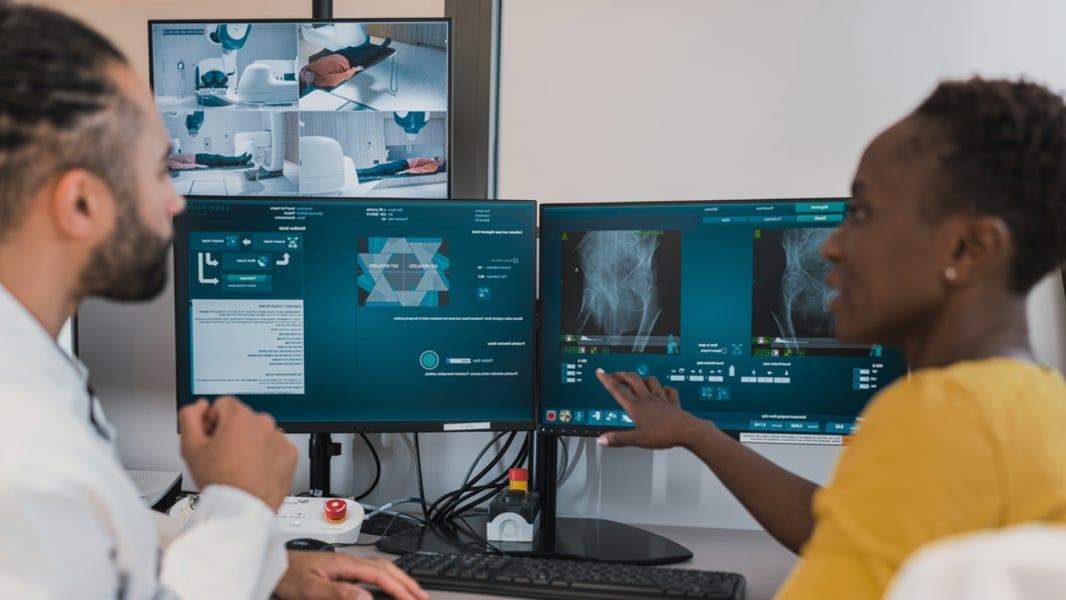
Gaylord Specialty Healthcare provides outpatient radiology and imaging services, including X-rays, CT scans, and ultrasounds, with the same patient-centered approach that defines our rehabilitation care. Our experienced radiology team delivers timely, accurate imaging in a comfortable and accessible environment for patients, providers, and the community.
Whether you need diagnostic imaging to support your healthcare journey or are seeking a trusted imaging partner, Gaylord combines advanced technology with compassionate care to provide a seamless experience from scheduling through results.
Hospital-Level Imaging. Outpatient Convenience.
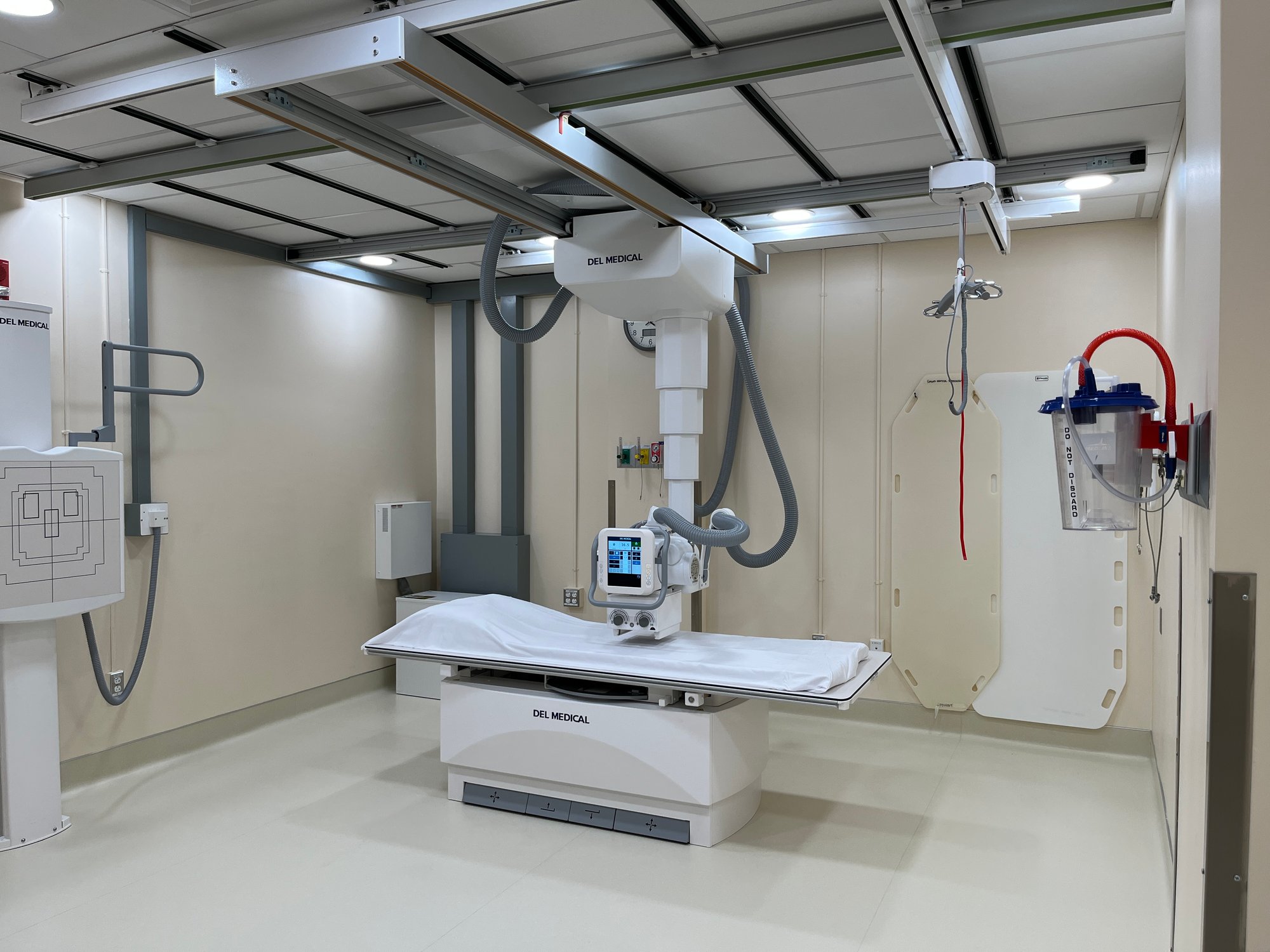
You don’t have to choose between comfort and quality. At Gaylord, you get hospital-grade imaging services in an outpatient setting - backed by a clinical team that prioritizes both precision and compassion.
Accessible for All, Including Wheelchair Users
We understand the needs of patients with mobility challenges - because we specialize in it. With ceiling hoyer lifts installed for x-ray and CT scans, our imaging team is able to safely and comfortably accommodate individuals in wheelchairs, stretchers, or with limited mobility.

Convenient for Staff, Providers, and the Community
Located on the Gaylord Wallingford campus, our outpatient imaging center is easy to access, with dedicated parking and a streamlined ordering process for providers.
Ultrasound
Ultrasound uses sound waves to create real-time images of soft tissues, blood flow, and organs. It’s non-invasive, radiation-free, and a powerful diagnostic tool for many conditions.
Ultrasound Scans Performed:
- Abdomen
- Aorta
- Venous Dopplers
- Arterial Dopplers (without pressures)
- Thyroid
- Kidneys (Renal, Renal/Bladder)
- Scrotum
- Carotid Arteries
CT
CT (computed tomography) imaging offers detailed cross-sectional images of the body to assist in diagnosis and care planning. Gaylord’s non-contrast CT scans are performed with precision and speed in an accessible setting, ideal for patients with mobility concerns.
CT Scans Performed:
- Head
- Neck
- Facial Bones
- Chest
- Abdomen/Pelvis
- Cervical Spine
- Thoracic Spine
- Lumbar Spine
- Upper & Lower Extremities
X-ray
X-ray imaging is fast, reliable, and useful for assessing bones, joints, and certain soft tissues. Our accessible X-ray suite is ideal for patients of all mobility levels.
X-rays Performed:
- Chest
- Abdomen
- Sinuses
- Skull
- Facial Bones
- Ribs
- Cervical Spine
- Thoracic Spine
- Lumbar Spine
- Shoulder
- Clavicle
- Humerus
- Elbow
- Wrist
- Hand
- Hip
- Femur
- Tibia/Fibula
- Ankle
- Foot
Nationally Accredited for Quality and Safety
Gaylord’s CT machine is accredited by the American College of Radiology, meeting rigorous national standards for imaging quality, patient safety, and operational excellence. This accreditation ensures that every scan we perform is held to the highest standards - giving both patients and referring providers confidence in every result.
What is radiology?
Radiology is a medical specialty that uses imaging technology to help diagnose, evaluate, and monitor injuries, illnesses, and medical conditions. Radiology services may include imaging techniques such as X-rays, CT scans, MRI scans, and other diagnostic tools that provide important information about a patient’s condition and help guide treatment decisions.
What does a radiologist do?
A radiologist is a physician who specializes in interpreting medical images to help diagnose and monitor health conditions. Radiologists review imaging results and provide information that helps a patient’s healthcare team understand their condition and make informed decisions about treatment and rehabilitation.
Why would a rehabilitation patient need radiology services?
Radiology can help rehabilitation patients by providing detailed information about injuries, medical conditions, and changes that may affect recovery. Imaging results can help physicians evaluate a patient’s condition, identify potential concerns, monitor progress, and develop a more personalized rehabilitation plan.
What types of imaging services are used in rehabilitation?
The type of imaging used depends on each patient’s condition and medical needs. Radiology services may include X-rays, CT scans, MRI scans, and other diagnostic imaging methods that help evaluate bones, joints, soft tissues, the brain, spine, and other areas of the body.
How does radiology support rehabilitation care?
Radiology supports rehabilitation care by helping physicians and specialists better understand a patient’s condition. Imaging results can guide diagnosis, treatment planning, and ongoing care decisions while helping the rehabilitation team create an approach that supports each patient’s recovery goals.
What conditions can radiology help evaluate?
Radiology can help evaluate many conditions that affect movement, function, and recovery, including brain injuries, spinal cord injuries, stroke, orthopedic injuries, fractures, joint conditions, and other complex medical conditions. Imaging provides valuable information that helps healthcare providers determine appropriate treatment and rehabilitation strategies.
Does Gaylord use radiology as part of its rehabilitation programs?
Yes. Radiology is an important part of comprehensive medical care for patients receiving rehabilitation services at Gaylord. Imaging helps physicians and rehabilitation specialists evaluate conditions, monitor changes, and develop treatment plans that support each patient’s recovery, independence, and quality-of-life goals.
What is the difference between an X-ray, MRI, and CT scan?
X-rays, MRI scans, and CT scans are different types of medical imaging used to evaluate different areas of the body. X-rays are commonly used to view bones and certain structural concerns, CT scans provide detailed cross-sectional images of the body, and MRI scans create detailed images of soft tissues, the brain, spine, and other structures.
Is radiology only used for diagnosing injuries?
No. While radiology is often used to evaluate injuries, it can also help monitor medical conditions, assess changes over time, and support ongoing treatment decisions. In a rehabilitation setting, imaging may provide important information throughout a patient’s recovery journey.
What makes Gaylord’s radiology services different?
Gaylord’s radiology services are integrated into a comprehensive rehabilitation environment where physicians, therapists, and specialists collaborate to support patients with complex medical needs. By combining diagnostic imaging with specialized rehabilitation care, Gaylord helps develop individualized treatment plans focused on improving function, independence, and quality of life.