
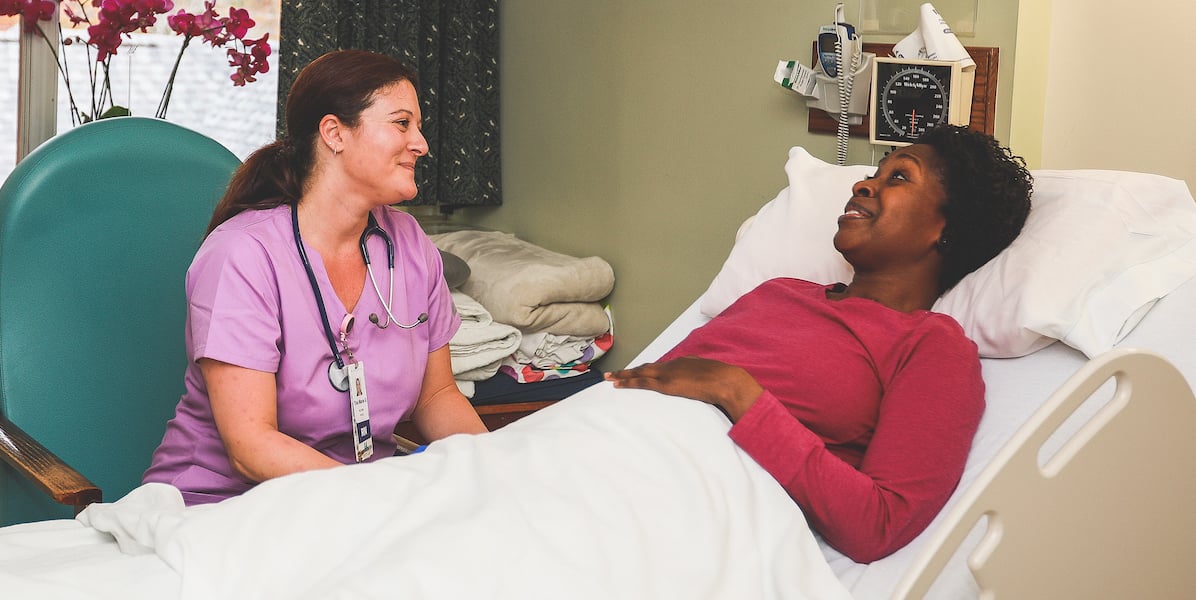
Our inpatient program supports each stage of recovery with therapies that address the ability to speak, comprehend, reason, remember and work toward physical gains such as strength, balance and activities of daily living. You have a choice in where you receive care. Speak with your healthcare provider or care manager about a referral to Gaylord to begin the admissions process.
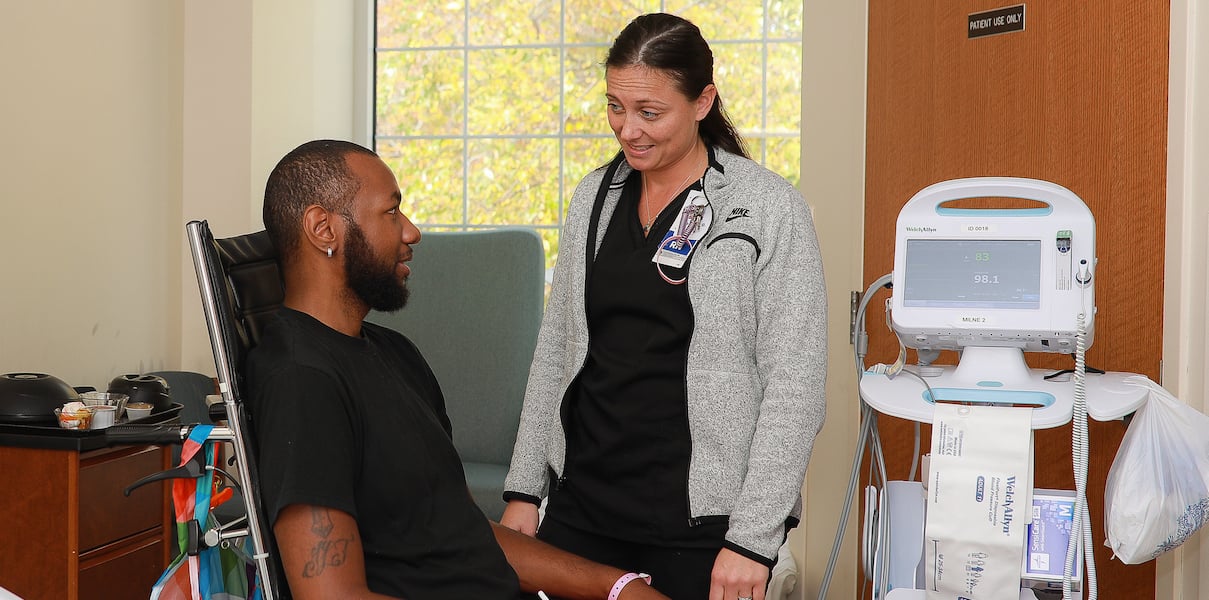
Gaylord's outpatient programs use various rehabilitation techniques, individual and group sessions, and new technology to maximize function, independence, and community reintegration.
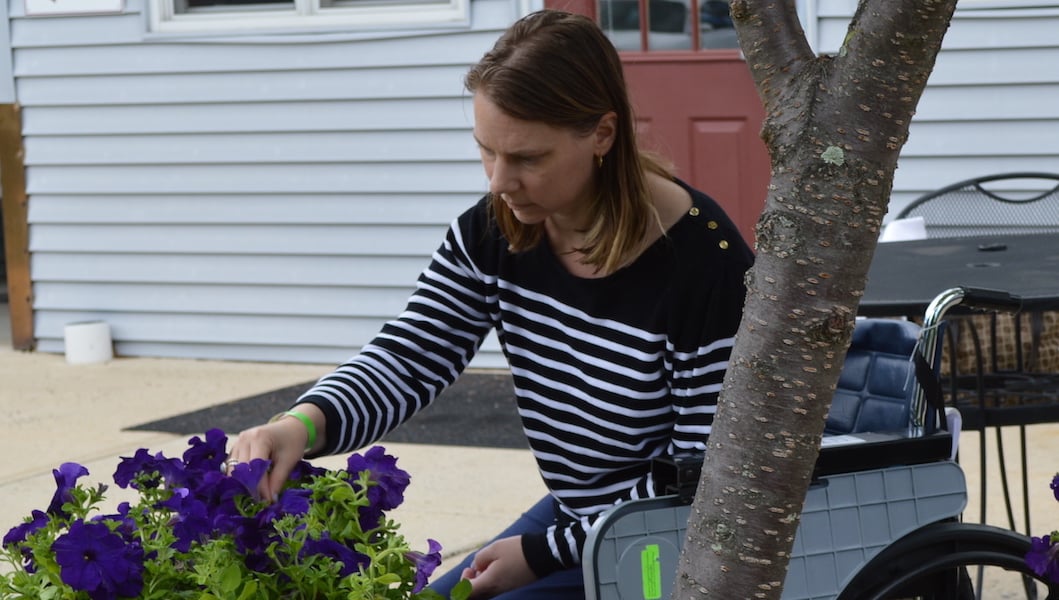
Traurig House, located on our 400-acre Wallingford campus, is Connecticut's only transitional living center for patients recovering from a stroke or brain injury.
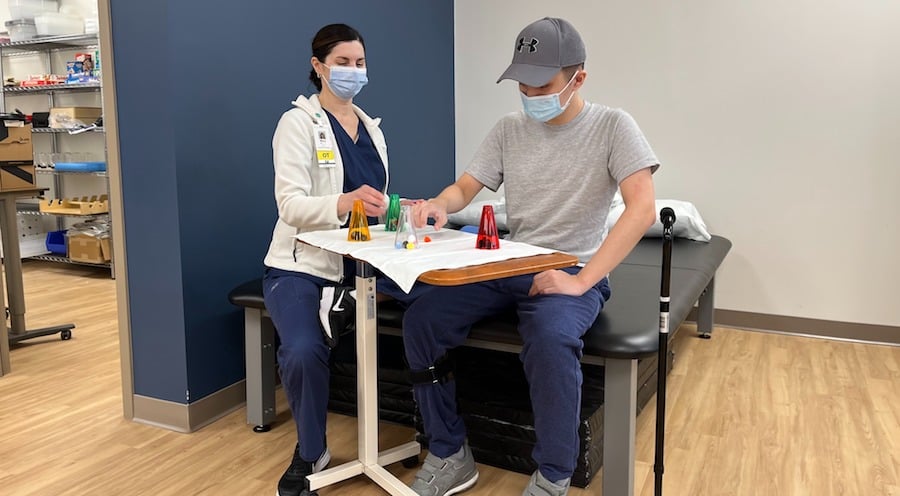
Every concussion is unique. Our physiatrists, neuropsychologists, sports medicine physical therapists, vestibular/balance specialists, and occupational and speech therapists work together to evaluate and assess your injury and tailor an individualized care plan based on age, type, and extent of injury.

Aphasia Therapy
Our intensive Aphasia Therapy outpatient program centers on strengthening communication skills, auditory comprehension, verbal and written expression, and speech.
AVM
An AVM is a tangle of blood vessels that irregularly connect arteries and veins, disrupting blood flow and oxygen circulation and potentially causing bleeding in the brain, a stroke, or brain damage. Surprisingly, this affects people as young as teenagers, and those who chose Gaylord successfully return to their community and active lives
Cognitive Therapy
The Cognitive Therapy Program is an intensive full day, individualized program that includes a mix of group and individual therapies provided on an outpatient basis.
Concussion Program
Gaylord specialists understand that every concussion is unique, and the priorities for recovery will differ depending on the patient's age and the type and extent of the injury. Our team of physiatrists, neuropsychologists, sports medicine physical therapists, vestibular/balance specialists, and occupational and speech therapists delivers personalized care for each patient, supporting individual goals for recovery.
Dysphagia Treatment
Dysphagia can result from a stroke, brain injury, or neuromuscular or neurological condition that affects the brain or central nervous system, causing swallowing problems and choking. Our therapists focus on restoring the swallow function using technology and a range of treatments to restore eating and drinking.
Early Recovery Program
This inpatient program is designed for patients who cannot engage in a robust therapy schedule but are expected to progress to an intensive rehabilitation program. Patients are guided through therapies that can take them from post-coma to community reentry at a rate conducive to their recovery. Referrals for this program come from team members at acute care hospitals.
Encephalopathy
Neurological Program
We help patients achieve mobility, memory, and communication goals. Inpatients receive 1-3 hours of daily therapy for personal independence. Every plan is carried out by a team that may involve occupational therapy, physical therapy, speech/language therapy, and care managers. Specialists in psychology, nutritional services, respiratory therapy, and therapeutic recreation may also be involved. We also offer outpatient services for continued care in Wallingford, Fairfield and North Haven.
Neuropsychological Program
If problems with memory or an inability to think clearly have become a continuing problem for you, you may be a candidate for a Neuropsychological Evaluation.
Occupational Therapy
Occupational therapy promotes safe and efficient daily activities,enhancing independence in crucial areas like self-care, parenting, cooking, driving, and work. Specialists emphasize endurance training, simplifying tasks, and home equipment. EasyStreet™, a hospital-based simulated community, aids patient recovery and success.
Physical Therapy
Skilled physical therapists work with patients to define goals, reduce pain, and enhance mobility, function, as well as personal performance. Gaylord uses advanced technologies and techniques to accelerate rehabilitation and return people to maximum health and quality of life.
Physiatry
Physiatry diagnoses and treats conditions that have resulted in temporary or permanent loss of function affecting independence. The goal is to improve quality of life by avoiding surgery and narcotics.
Speech Therapy
Speech-language pathologists at Gaylord specialize in treating speech, language, and cognitive deficits associated with neurological disorders. Speech therapists help with the recovery of speech, verbal expression, and comprehension. They support the recovery of reading, writing, and other cognitive and communication skills. Swallowing impairment (dysphagia) and stuttering are also key conditions treated by Gaylord speech experts.
Therapeutic Recreation
Therapeutic Rec (TR) uses leisure and recreation programs to improve an individual’s quality of life and physical, cognitive, social, and emotional function. It imparts lifelong recreation skills, encourages adaptive equipment use, and promotes community engagement.
Traurig House
Traurig House is Connecticut's only transitional living center for patients recovering from a stroke or brain injury. This eight-bed, co-ed house is on our 400-acre pastoral campus in Wallingford and serves asa bridge from hospital to home.
Workers Compensation
We offer coordinated, individually managed, team-based, rehabilitative, and complex medical care for injured workers in inpatient and outpatient areas. Treatment plans are created and led by a board-certified medical director with extensive workers' compensation experience and coordinated by a dedicated Care Manager
Young Stroke Program
Stroke survivors who were very active before their stroke are often ready, willing, and able to participatein a more focused program. Participation is related to the patient's activity prior to the stroke, specifically if the person was a student, caregiver, or employed.




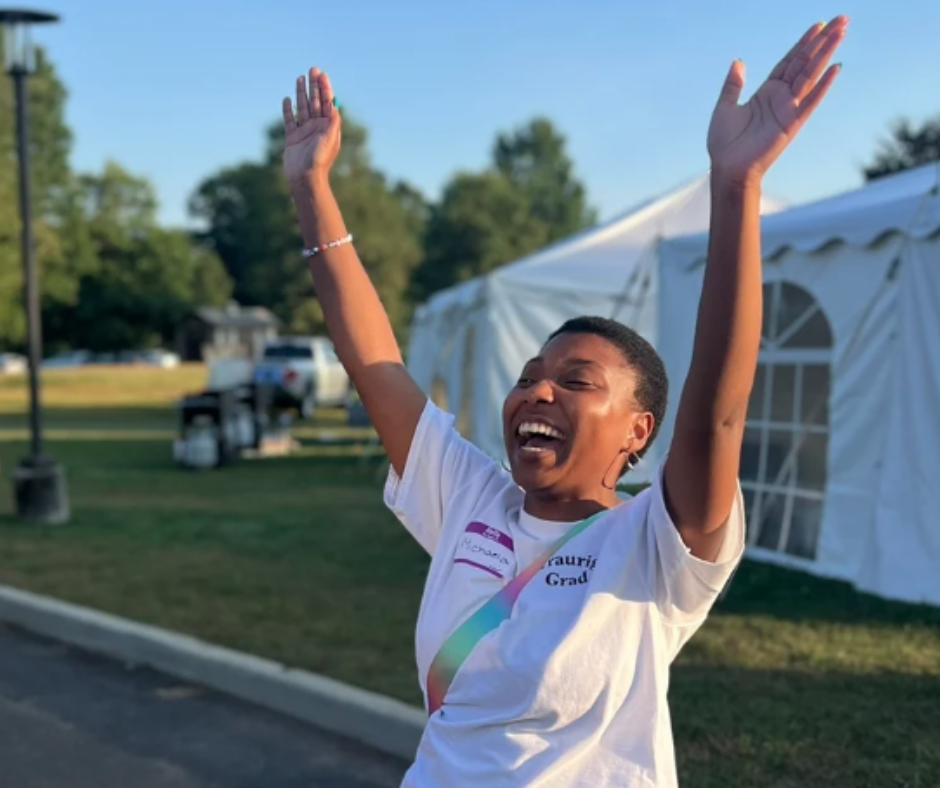
After building a large following by spreading joy and positivity on her TikTok channel, Michaela’s life changed in an instant when a ruptured AVM led to multiple brain surgeries and a long road to recovery. Today, she’s using her voice to inspire others with the message that faith and hope can make all the difference in the world in where you end up.
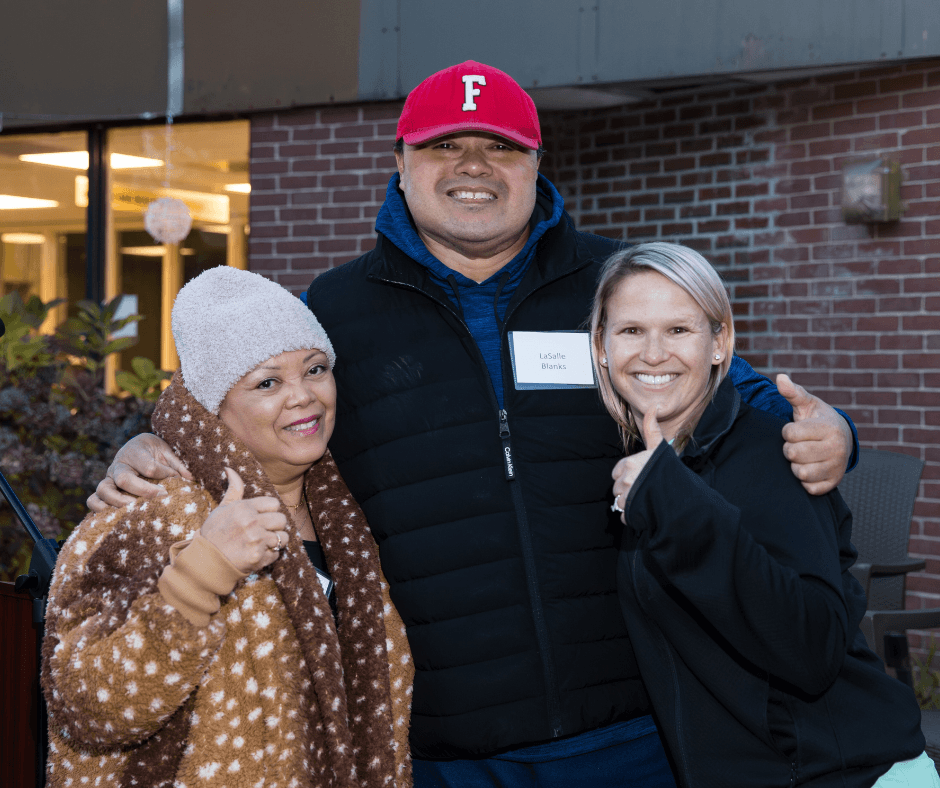
After a massive stroke turned his world upside down, LaSalle Blanks is opening up about what recovery really looks like and the mindset that helped him move forward. His experience offers a candid look at life after stroke and the progress that’s possible with the right care.