

A step by step look at how properly performed Kegel exercises can strengthen the pelvic floor and...
How Long Does Vertigo Last? Treatment and Exercises That Can Help
One of the first questions I hear from patients experiencing vertigo is simple: “How long is this going to last?”
Unfortunately, there is no single answer.
How long vertigo lasts depends on what's causing it. Some conditions can improve after only a few treatment sessions, while others may require weeks or months of rehabilitation and medical management.
The good news is that many causes of vertigo can be treated. The key is identifying the underlying cause rather than treating every type of dizziness the same way.
How long does vertigo usually last?
There isn't one standard timeline for vertigo.
The duration can depend on:
- The underlying diagnosis
- How severe the symptoms are
- How long symptoms have been present
- Which systems are affected
- Whether the condition is recurrent
- How someone responds to treatment
For example, BPPV may improve very quickly, while vestibular migraine or concussion-related dizziness may require longer-term rehabilitation.
How long does BPPV last?
BPPV often responds quickly to treatment.
BPPV occurs when tiny calcium-carbonate crystals called otoconia become displaced within the inner ear and enter one of the semicircular canals.
Specific head and body movements can trigger brief episodes of vertigo, such as:
- Rolling over in bed
- Lying down
- Sitting up
- Looking up
- Bending over
Many patients improve after one or a few treatment sessions. However, some people need additional treatment, particularly when more than one semicircular canal is involved.
What is the fastest way to treat BPPV?
When BPPV is confirmed, positional repositioning maneuvers can often resolve symptoms quickly.
These maneuvers use specific head and body positions to guide the displaced otoconia out of the semicircular canal and back to their appropriate location.
The Epley maneuver is one of the most commonly used treatments for posterior-canal BPPV.
Other maneuvers, including the Semont, Gufoni and barbecue roll maneuvers, may be appropriate depending on which canal is involved.
It's important to have the correct diagnosis before performing a repositioning maneuver. The appropriate maneuver depends on the type and location of the BPPV.
How long does vestibular migraine last?
Vestibular migraine tends to be more chronic and recurrent than BPPV.
People may experience episodes of:
- Vertigo
- Dizziness
- Motion sensitivity
- Visual sensitivity
- Imbalance
Vestibular migraine can occur with or without a typical headache.
Treatment typically focuses on reducing the frequency and severity of episodes and improving tolerance to movement. Depending on the individual, this may involve medical management along with vestibular rehabilitation.
How long does PPPD last?
PPPD, or persistent postural-perceptual dizziness, causes persistent dizziness, unsteadiness or non-spinning vertigo.
Symptoms are often aggravated by upright posture, movement or visually complex environments.
Once PPPD is identified and appropriately treated, many patients begin to see improvement within weeks. However, recovery can take longer depending on how long the symptoms have been present and how much avoidance or visual dependence has developed.
Vestibular rehabilitation can be an important part of treatment.
How long does vestibular neuritis or labyrinthitis last?
Recovery from vestibular neuritis or labyrinthitis is typically measured in weeks to months.
The initial symptoms can be significant, and the brain may need time and appropriate rehabilitation to adapt to changes in vestibular information.
Vestibular rehabilitation may include exercises designed to improve gaze stability, balance and tolerance to movement.
How long does concussion-related dizziness last?
There is a wide range of recovery times following a concussion.
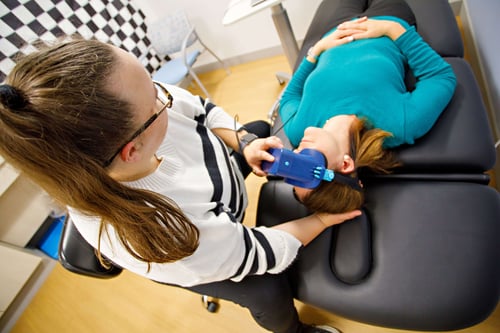
A concussion can affect several systems that contribute to dizziness, including:
- The vestibular system
- Eye movements
- Visual processing
- Balance
- The neck
- Migraine pathways
- The autonomic nervous system
- Exercise tolerance
A concussion can also cause BPPV by dislodging the inner-ear crystals.
When multiple systems are involved, recovery can take months and may require a more comprehensive rehabilitation program.
What exercises help vertigo?
The right exercise depends on the cause of the vertigo.
There is no single exercise that works for every type of dizziness.
Depending on the diagnosis, vestibular rehabilitation may include:
- Gaze-stability exercises
- Balance exercises
- Habituation exercises
- Movement retraining
- Visual-motion exercises
- Walking and dynamic balance activities
- Positional repositioning maneuvers
A physical therapist can evaluate your symptoms and determine which exercises are appropriate.
Can I treat vertigo at home?
Some people with a known diagnosis may be given exercises to continue at home. However, new or unexplained vertigo should not simply be treated at home without determining the cause.
During an episode, prioritize safety:
- Sit or lie down somewhere safe.
- Avoid activities that increase your risk of falling.
- Move slowly when changing positions.
- Avoid driving while symptoms are active.
Once a physical therapist has evaluated you and determined which exercises are appropriate, a home program can be an important part of recovery.
Can physical therapy help vertigo?
Yes. Vestibular physical therapy can help people with many causes of dizziness and vertigo.
Treatment is individualized based on the diagnosis and may include repositioning maneuvers, balance training, gaze-stability exercises, habituation and other interventions.
The goal isn't simply to make you feel better while sitting still. In many cases, the goal is to help you safely return to the activities that matter to you.
When should I seek medical attention for vertigo?
If vertigo is new, severe, unexplained or persistent, it should be medically evaluated.
Seek immediate medical attention if vertigo occurs with sudden neurological symptoms such as:
- New or one-sided weakness
- New numbness
- Double vision
- Difficulty speaking or slurred speech
- Difficulty swallowing
- Sudden falls without loss of consciousness
- Other sudden neurological changes
These symptoms can indicate a serious medical condition and should not be attributed to an inner-ear problem without appropriate evaluation.
The bottom line
How long vertigo lasts depends on what's causing it.
BPPV may improve quickly with the appropriate repositioning maneuver. Vestibular migraine and PPPD may require longer-term management. Vestibular neuritis, labyrinthitis and concussion-related dizziness can take weeks or months to resolve.
If dizziness or vertigo is affecting your daily life, you don't necessarily have to wait it out. The first step is determining what's causing your symptoms so that the right treatment can be provided.
Want to speak to an expert about treatment for vertigo? Contact us at (203) 284-2888 or fill out an appointment request form on our outpatient neurological rehabilitation page.

This content is for educational purposes only and is meant to provide general information. It is not a substitute for professional medical advice, diagnosis, or treatment. Always consult your healthcare provider with any questions or concerns about your health. In case of a medical emergency, contact your doctor or call 911 right away.
Related posts

The Gaylord Wolfpack, Connecticut’s only sled hockey team, is charging toward a potential league...