
Marty Tangredi is a well-known and respected USA Hockey official and instructor with three decades...
When illness, injury, surgery, or a neurologic condition affects the brain, spinal cord, peripheral nerves, or musculoskeletal system, movement and function can change in ways that impact nearly every aspect of daily life. Weakness, spasticity, impaired coordination, reduced range of motion, sensory changes, visual-perceptual deficits, cognitive changes, pain, or decreased endurance may make previously automatic activities challenging.
Occupational therapy (OT) uses skilled, purposeful movement and functional activity to help people improve how they move, think, process information, and interact with their environment. Treatment is designed to address the underlying impairments affecting function while providing opportunities for the nervous system and body to relearn, adapt, and develop more efficient movement strategies.
The goal is not simply to complete a task. It is to improve the strength, motor control, coordination, cognition, vision, sensation, and functional capacity needed to participate more fully and safely in life.
What Is Occupational Therapy?
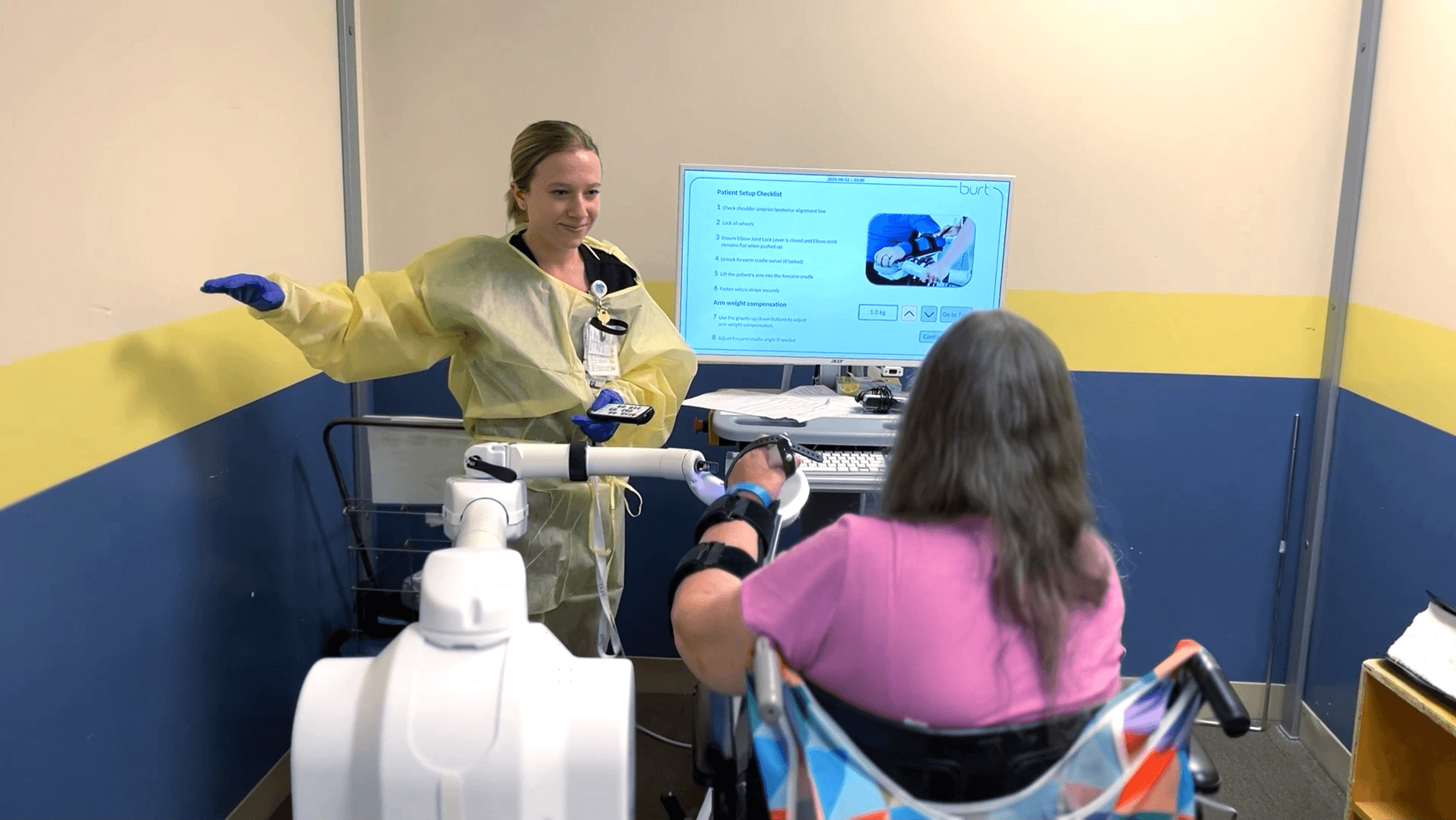
Occupational therapy is a rehabilitation discipline focused on helping people regain, develop, or maximize the physical, cognitive, visual, sensory, and motor skills required for meaningful activities.
In a neurorehabilitation setting, OT may address how the nervous system controls movement and how neurologic changes affect functional performance. Treatment can target everything from proximal stability and postural control to isolated finger movement, bilateral coordination, motor planning, visual processing, and complex cognitive skills.
Occupational therapists evaluate the interaction between a person's impairments, movement patterns, cognition, environment, and functional goals. Treatment is then individualized to promote recovery, maximize neuroplasticity, improve movement efficiency, and develop compensatory strategies when full recovery is not possible.
What Does an Occupational Therapist Do?
Occupational therapists work with individuals across the continuum of care, including inpatient rehabilitation and outpatient therapy. Treatment is particularly valuable for people recovering from stroke, traumatic brain injury, spinal cord injury, concussion, multiple sclerosis, Parkinson's disease, peripheral nerve injury, orthopedic conditions, and other diagnoses affecting the nervous or musculoskeletal systems.
Depending on the individual's needs and goals, skilled OT intervention may include:
-
Facilitating active and active-assisted movement to improve motor control and functional range of motion
-
Improving proximal stability, postural control, and movement alignment
-
Addressing weakness, abnormal tone, spasticity, rigidity, and motor control deficits
-
Improving upper-extremity strength, coordination, dexterity, and functional use
-
Facilitating isolated and selective movement following neurologic injury
-
Training bilateral upper-extremity integration and motor planning
-
Addressing gross and fine motor coordination, including reaching, grasping, manipulating, and releasing objects
-
Utilizing repetitive, task-specific activities to promote motor learning and neuroplasticity
-
Addressing sensory processing, proprioception, and body awareness
-
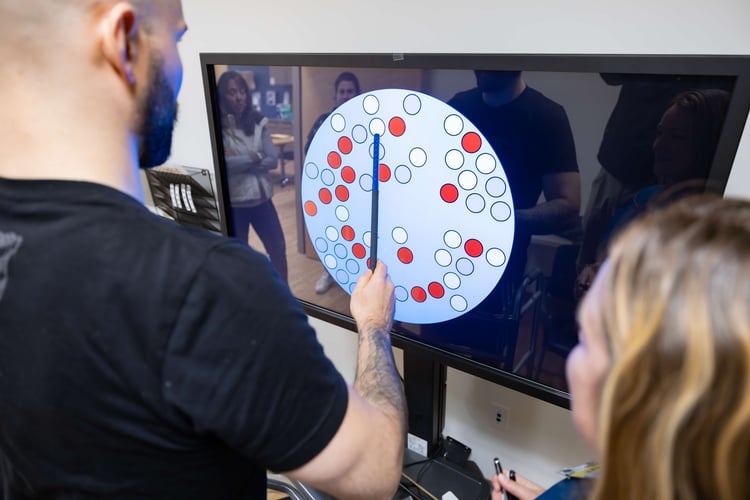
Retraining visual skills, visual perception, visual-motor integration, and spatial processing
-
Addressing cognitive skills including attention, memory, executive functioning, processing speed, sequencing, and problem-solving
-
Improving motor and cognitive strategies for complex functional tasks
-
Managing pain, edema, fatigue, and reduced activity tolerance
-
Addressing adaptive movement patterns and compensatory techniques when appropriate
-
Recommending orthoses, splinting, adaptive equipment, and positioning strategies when indicated
-
Developing home programs to promote continued movement, strengthening, and functional carryover
-
Training patients for return to work, driving, community mobility, hobbies, and other meaningful activities
OT does not simply “exercise the arm” or practice daily tasks. Skilled occupational therapy analyzes why a movement or activity is difficult, identifies the contributing impairments, and uses targeted interventions to improve the underlying performance.
Occupational Therapy and Neurorehabilitation
For individuals with neurologic conditions, movement is often more complicated than simply having enough strength to complete a task.
A person may have adequate strength but be unable to isolate a movement after stroke. Another may have full range of motion but poor motor planning following a brain injury. Someone with spinal cord injury may have available movement but require strategies to optimize tenodesis, grasp, positioning, or upper-extremity function. A person with multiple sclerosis may have sufficient strength but struggle with fatigue, coordination, endurance, or cognitive load.
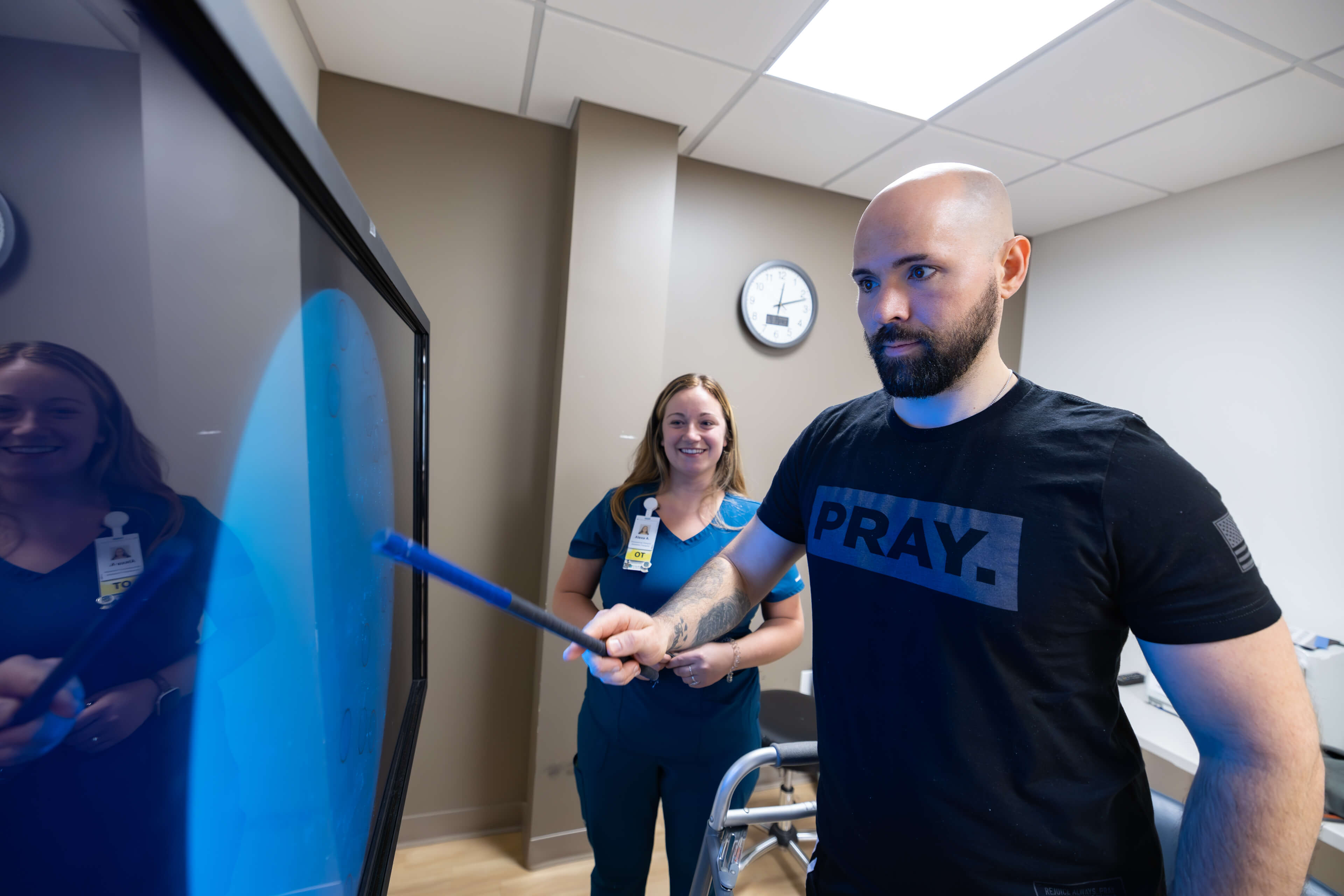
Occupational therapists assess these individual components and determine how they interact during functional movement.
Intervention may incorporate:
-
Motor recovery and neuromuscular re-education
-
Task-specific and repetitive movement training
-
Functional reaching and grasp/release activities
-
Weight bearing and proprioceptive input
-
Bilateral upper-extremity integration
-
Fine motor and dexterity training
-
Tone and spasticity management
-
Range of motion and joint mobility
-
Postural control and proximal stabilization
-
Sensory re-education
-
Visual-perceptual and visual-motor retraining
-
Cognitive-motor integration
-
Motor planning and sequencing
-
Functional endurance and activity tolerance
-
Compensatory and adaptive strategies
These interventions are incorporated into meaningful activities so that improvements in movement and cognition translate into better real-world performance.
Occupational Therapy vs. Physical Therapy vs. Speech Therapy
Many individuals receiving rehabilitation benefit from a coordinated team approach. Occupational therapy, physical therapy, and speech-language pathology overlap in some areas but bring different areas of expertise to the rehabilitation process.
Occupational Therapy focuses heavily on upper-extremity function, fine and gross motor coordination, functional movement, visual-perceptual skills, cognition as it relates to function, sensory processing, and the ability to perform meaningful activities. OT also addresses the interaction between physical and cognitive impairments and real-world performance.
Physical Therapy primarily addresses mobility, gait, balance, transfers, lower-extremity function, strength, endurance, and overall movement across environments.
Speech-Language Pathology addresses communication, speech and language, swallowing, and cognitive-communication skills, including aspects of memory, attention, and executive functioning.
These disciplines frequently work together. For example, a person recovering from stroke may work with PT on gait and balance, OT on upper-extremity motor recovery and functional use, and SLP on communication and cognitive-communication skills.
Together, the rehabilitation team addresses the many systems required for successful movement and participation.
What Happens During an Occupational Therapy Evaluation?
Your first OT visit begins with understanding what has changed and what you want to be able to do again.
Your therapist may examine how your diagnosis has affected movement, cognition, vision, sensation, endurance, and functional performance. Depending on your condition and goals, an evaluation may include assessment of:
-
Active and passive range of motion
-
Muscle strength and selective motor control
-
Muscle tone and spasticity
-
Postural control and proximal stability
-
Gross and fine motor coordination
-
Dexterity and hand function
-
Grasp, release, and manipulation
-
Bilateral upper-extremity integration
-
Sensation and proprioception
-
Visual acuity, scanning, perception, and visual-motor skills
-
Balance and functional mobility as they relate to occupational performance
-
Attention, memory, processing speed, and executive functioning
-
Motor planning and sequencing
-
Functional endurance and activity tolerance
-
Performance of meaningful tasks in the home, workplace, or community
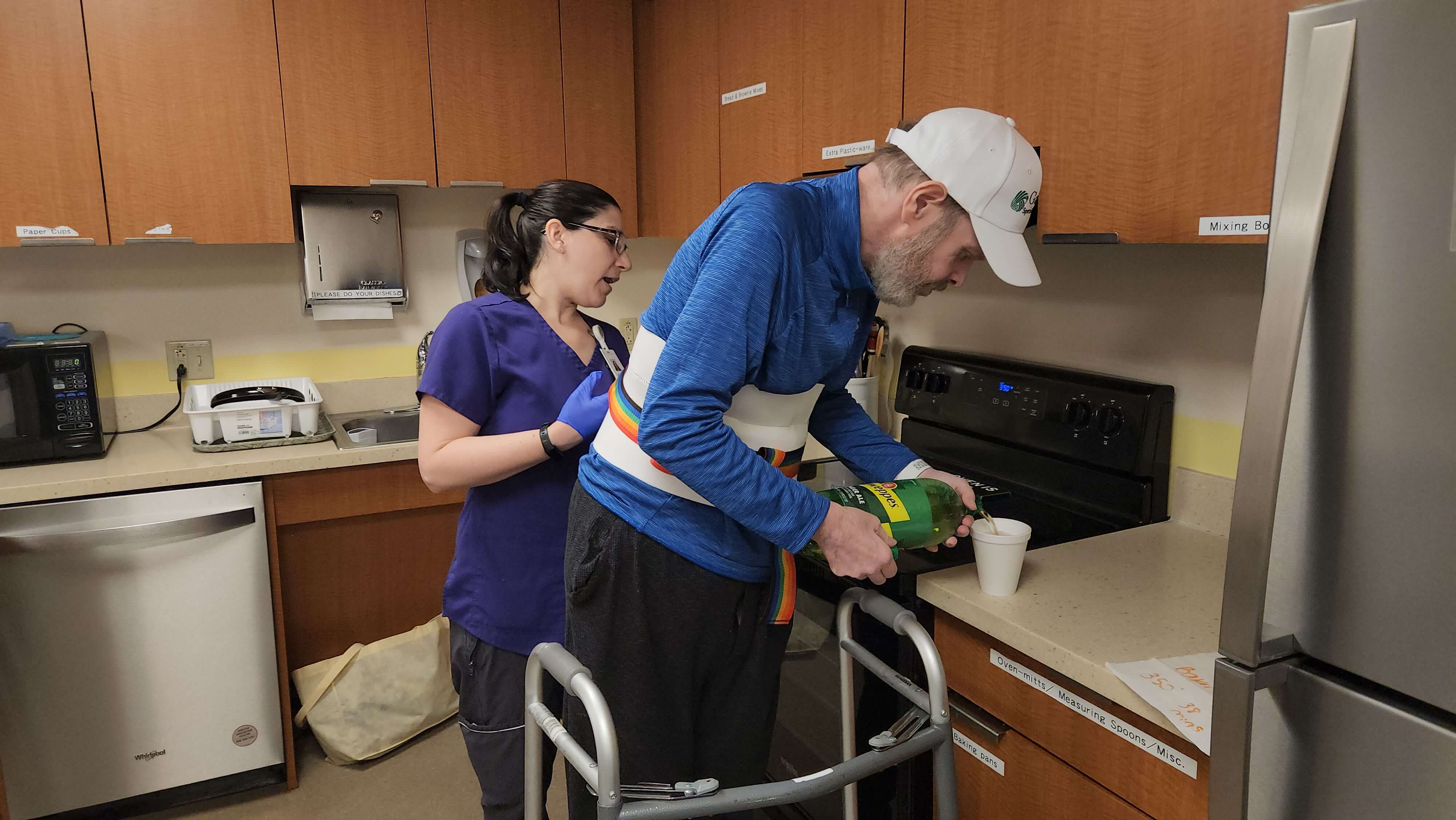 Standardized assessments may also be used to objectively measure changes in strength, coordination, dexterity, motor recovery, cognition, visual skills, and functional performance over time.
Your therapist uses these findings to identify the factors limiting your performance and develop an individualized treatment plan focused on measurable functional outcomes.
Frequently Asked Questions About Occupational Therapy
What is occupational therapy?
Occupational therapy is a skilled rehabilitation service that addresses the physical, neurologic, cognitive, visual, and sensory factors that affect a person's ability to participate in meaningful activities. Treatment may focus on restoring movement and function, improving safety and efficiency, developing compensatory strategies, and maximizing independence.
What conditions can occupational therapy treat?
OT can play an important role in rehabilitation following stroke, traumatic brain injury, concussion, spinal cord injury, multiple sclerosis, Parkinson's disease, peripheral nerve injury, brain and spinal cord disorders, orthopedic injuries, and many other conditions affecting movement, cognition, vision, sensation, or functional performance.
Do I need occupational therapy if I can already walk?
Yes. Walking is only one component of functional independence.
You may benefit from OT even if you are walking independently but have difficulty using your hands, reaching, grasping, coordinating movements, processing visual information, remembering information, managing multiple steps of a task, returning to work, driving, or participating in hobbies and community activities.
Is occupational therapy just about activities of daily living?
No.
Activities of daily living are one part of OT, but occupational therapy encompasses much more. In neurorehabilitation, OT may address neuromuscular control, upper-extremity recovery, coordination, tone, sensation, vision, cognition, motor planning, endurance, and functional movement.
The activities we practice provide a meaningful context for improving these underlying skills and helping them carry over into everyday life.
Why does OT work on movement if I already receive physical therapy?
OT and PT often work together, but their areas of expertise differ.
OT frequently places a greater emphasis on upper-extremity recovery, hand function, fine motor control, visual-perceptual skills, cognitive-motor integration, and using movement skills during meaningful activities. PT generally focuses more heavily on gait, lower-extremity function, balance, transfers, and overall mobility.
Because movement does not occur in isolation, collaboration between the two disciplines can provide a more comprehensive approach to recovery.
Rebuilding Function. Restoring Movement. Returning to Life.
Recovery after neurologic illness or injury is rarely about one muscle, one movement, or one activity. It involves the interaction of the nervous system, musculoskeletal system, sensory system, vision, cognition, environment, and the activities that give life meaning.
At Gaylord Specialty Healthcare, occupational therapists work closely with physicians, physical therapists, speech-language pathologists, and other rehabilitation specialists to provide individualized, evidence-informed care across the continuum of recovery.
Whether the goal is improving arm and hand function after stroke, regaining independence following spinal cord injury, addressing cognitive and visual changes after brain injury, managing the effects of multiple sclerosis, or returning to work and community activities, occupational therapy helps patients build the skills and strategies needed to move forward.
Think occupational therapy may be able to help you?
Learn how Gaylord's rehabilitation experts can support your recovery journey or contact us at (203) 284-2888 to schedule an appointment.

This content is for educational purposes only and is meant to provide general information. It is not a substitute for professional medical advice, diagnosis, or treatment. Always consult your healthcare provider with any questions or concerns about your health. In case of a medical emergency, contact your doctor or call 911 right away.
Related posts
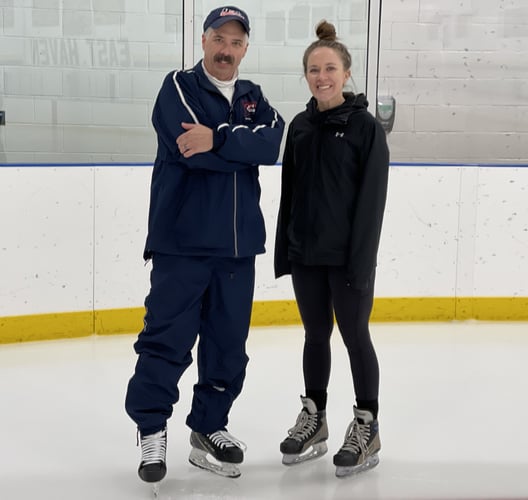

Recovery is far more than healing. It's about reclaiming your independence and getting back to the...