

Persistent pain can affect nearly every part of daily life. Activities that once felt simple –...
Persistent pain can feel discouraging, especially when recovery takes longer than expected. For many people, pain affects more than just physical comfort. It can influence mobility, sleep quality, energy levels, mood, and daily activities.
While treatment plans and medical care play an important role in recovery, the habits you practice every day can also have a meaningful impact. Small, consistent actions often help people feel more in control and better equipped to manage their symptoms.
Why Daily Pain Management Matters
Pain does not always mean an injury is getting worse. In some cases, pain can continue because the nervous system becomes more sensitive during the healing process.
That is one reason why daily pain management strategies matter. Consistent habits can help support:
- Mobility
- Energy levels
- Sleep quality
- Emotional well-being
- Overall function
Recovery is rarely defined by one major breakthrough. More often, it is built through steady progress and routines that support long-term healing.
1. Start Your Day with Gentle Movement
Many people experience stiffness after sitting or sleeping for extended periods. Gentle movement can help loosen tight muscles, improve circulation, and prepare the body for daily activities.
Helpful options may include:
- Light stretching
- Walking
- Range-of-motion exercises
- Exercises recommended by your healthcare provider
The goal is not to push through pain but to encourage comfortable movement and reduce stiffness.
2. Practice Mindful Pacing
It can be tempting to do as much as possible on days when symptoms improve. However, overexertion can sometimes lead to increased discomfort later.
Mindful pacing helps balance activity and recovery by:
- Breaking larger tasks into smaller steps
- Scheduling rest breaks
- Spreading activities throughout the day
- Avoiding sudden increases in activity levels
Pacing allows you to stay active while reducing the risk of setbacks.
3. Use Heat, Cold, and Support Tools Strategically
Simple pain management tools can often provide temporary relief and support recovery.
Depending on your condition, your healthcare provider may recommend:
- Heat therapy to relax tight muscles
- Cold therapy to reduce soreness or inflammation
- Braces or supportive devices
- TENS units
- Medications as prescribed
Not every tool works for every person. Finding the right combination often requires guidance from your care team.
4. Build a Daily Relaxation Routine
Pain and stress frequently influence one another. When stress levels increase, muscles may tense and pain can feel more intense.
A few minutes of daily relaxation may help calm the nervous system and reduce physical tension.
Examples include:
- Deep breathing exercises
- Meditation
- Guided imagery
- Gentle mindfulness practices
- Quiet time away from screens and distractions
Even small moments of relaxation can support recovery.
5. Track Your Pain Patterns
Keeping a simple pain journal can help you identify patterns and better understand what affects your symptoms.
Consider recording:
- Time of day
- Pain levels
- Activities completed
- Sleep quality
- Factors that improved symptoms
- Factors that worsened symptoms
This information can provide valuable insights for both you and your healthcare team.
6. Prioritize Sleep and Recovery
Sleep is one of the most important components of healing. Poor sleep can increase sensitivity to pain, reduce energy levels, and make recovery more challenging.
To support better sleep:
- Maintain a consistent bedtime schedule
- Limit screen exposure before bed
- Create a comfortable sleep environment
- Use pillows or positioning techniques recommended by your provider
Rest should be viewed as part of recovery, not a setback.
7. Stay Connected and Communicate
Persistent pain can sometimes feel isolating, but support can make a significant difference.
Stay connected by:
- Communicating openly with your healthcare team
- Discussing changes in symptoms
- Sharing concerns about recovery
- Seeking encouragement from friends, family, or support groups
Open communication often leads to better treatment decisions and greater confidence throughout recovery.
When Daily Strategies Are Not Enough
Daily habits can help manage symptoms, but some situations require additional medical support.
Consider speaking with your healthcare provider if you experience:
- A sudden increase in pain
- Pain spreading to new areas
- Ongoing sleep disruption
- Difficulty completing daily activities
- Symptoms that are not improving
Adjusting your recovery plan is a normal part of the healing process.
Support for Your Recovery Journey
Managing persistent pain often requires a combination of healthy daily habits and professional guidance.
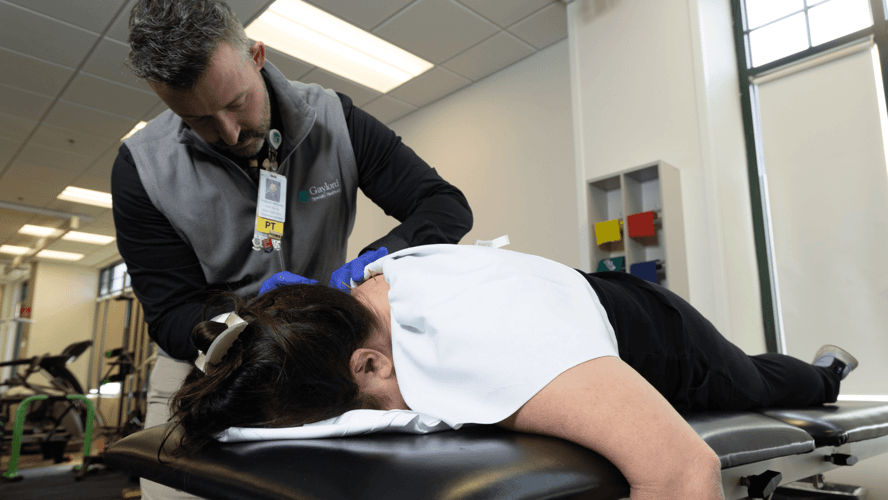
If pain is affecting your mobility, quality of life, or ability to participate in daily activities, additional treatment options may help. Physical therapy, physiatry, and interventional pain management can all play important roles in supporting recovery and improving function.
At Gaylord Specialty Healthcare, our rehabilitation specialists partner with you to better understand your needs, support your goals, and help you build a plan that fits your recovery. If ongoing pain is affecting your daily life, consider scheduling a consultation, exploring treatment programs, or connecting with a specialist who can help guide your next step.
Frequently Asked Questions About Managing Persistent Pain During Recovery
How can I manage persistent pain during recovery?
Managing persistent pain often involves a combination of gentle movement, activity pacing, stress management, quality sleep, and following recommendations from your healthcare team. Consistent daily habits can help support recovery and improve overall function.
Does movement help persistent pain?
In many cases, yes. Gentle movement can reduce stiffness, improve circulation, maintain mobility, and help prevent deconditioning. However, activities should be appropriate for your condition and recovery stage.
Why does pain sometimes continue after an injury heals?
Persistent pain can sometimes occur because the nervous system becomes more sensitive during the healing process. Pain does not always indicate ongoing tissue damage, which is why professional evaluation is important.
Can stress make pain feel worse?
Yes. Stress can increase muscle tension and nervous system sensitivity, which may make pain feel more intense. Relaxation techniques and stress management strategies can help support pain management.
When should I contact a healthcare provider about persistent pain?
You should contact a healthcare provider if pain suddenly worsens, spreads to new areas, interferes with daily activities or sleep, or does not improve with your current treatment plan.

This content is for educational purposes only and is meant to provide general information. It is not a substitute for professional medical advice, diagnosis, or treatment. Always consult your healthcare provider with any questions or concerns about your health. In case of a medical emergency, contact your doctor or call 911 right away.
Related posts

Persistent pain can make everyday activities, from walking and working to exercising or sleeping,...

A herniated or bulging disc can cause lower back pain, but it is not always the true source of...